


Why Pelvic Health Matters
How Your Pelvic Muscles Play a Role In Overall Well-Being
Many people don’t think much about their pelvic health–until they start to experience symptoms, especially difficult-to-discuss issues like bladder leaks or pelvic pain. That’s when pelvic health really starts to come to the forefront!
Here’s the truth: your pelvic floor muscles impact much more than you might think, including your core strength, balance, posture, and breathing patterns. You might not see your pelvic muscles (they’re completely internal), but you use them every day, even if you don’t realize it.
Today, the SCV Therapy Services team wants to explore the importance of a healthy pelvic floor. And if you’re struggling with pelvic-related symptoms, know that our physical therapists are always available to help you find relief.

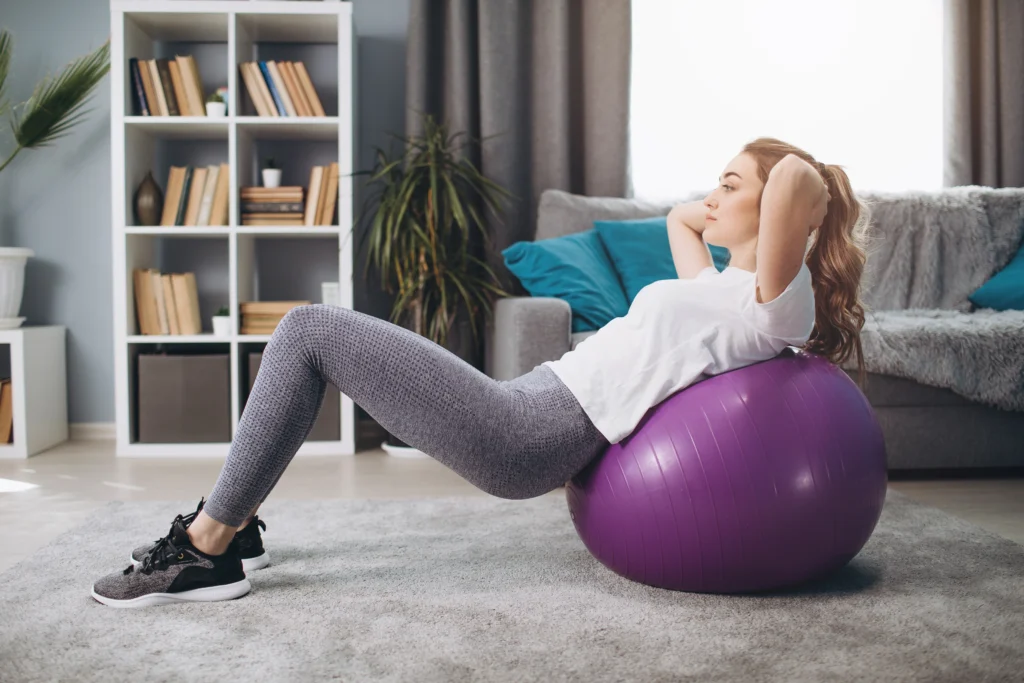
What Exactly Is the Pelvic Floor?
Your pelvic floor is a group of muscles located at the base of your pelvis. It works with your abdominal and back muscles to stabilize your core and support your bladder, bowel, and (for women) uterus.
Here’s what the pelvic floor does when it’s working properly:
- Helps control urination and bowel movements
- Aids in sexual function
- Contributes to posture and spinal alignment
- Coordinates with your diaphragm during breathing
But problems can develop when these muscles become too tight, weak, or uncoordinated. We call that pelvic floor dysfunction.
Exercise of the Month
Figure 4 Bridge
Lie on your back with knees bent and feet flat. Cross one ankle over the opposite knee, forming a “4” shape. Press through the heel of the supporting foot and lift your hips, squeezing the glutes at the top.
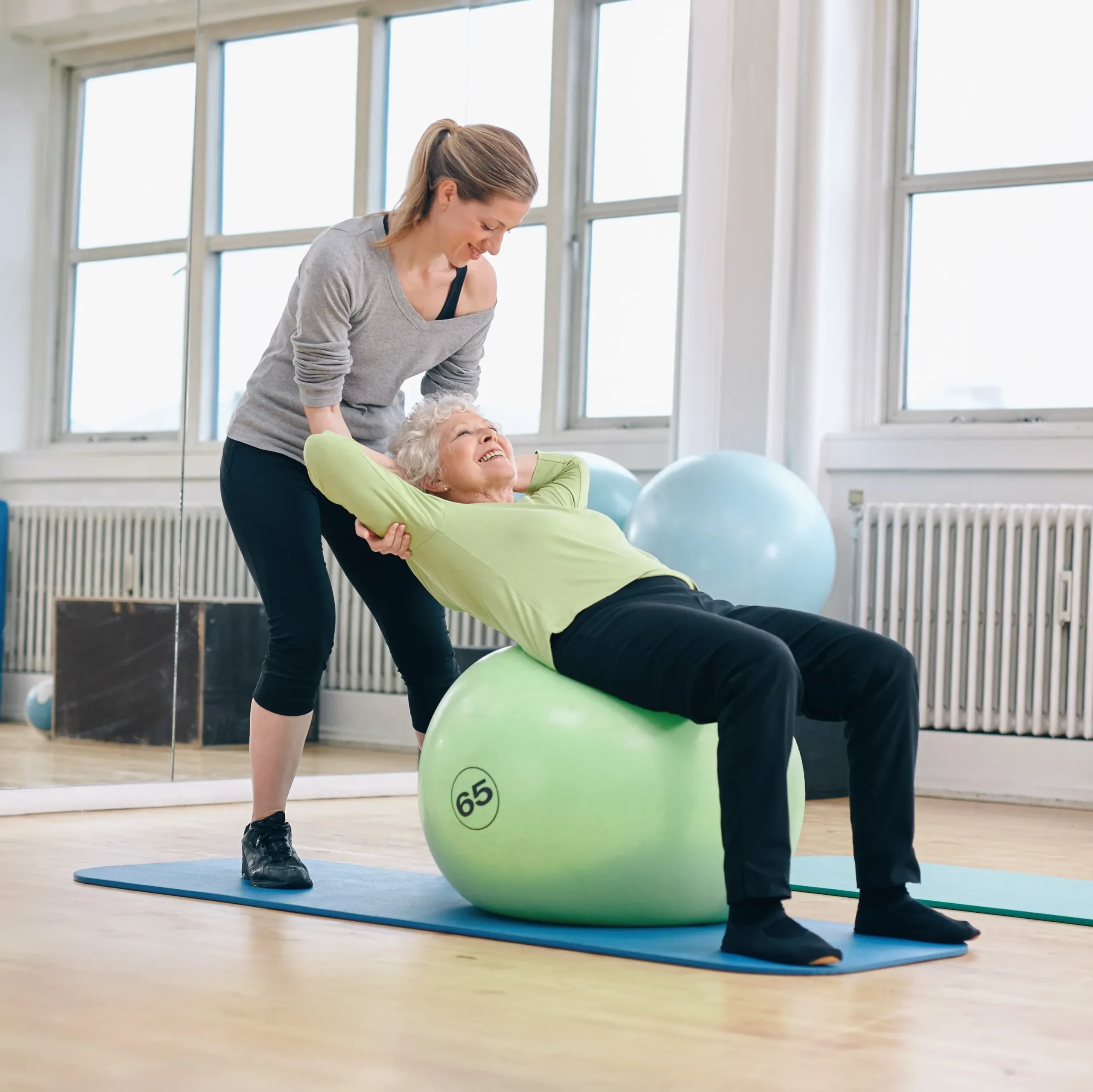
How Pelvic Floor Dysfunction Affects Your Health
Pelvic floor dysfunction doesn’t look the same for everyone. In fact, it can lead to a wide range of symptoms, some of which may not seem obviously connected to the pelvic area. Here are some of the common ones, although remember you won’t necessarily have all of them:
- Urinary urgency, frequency, or leakage
- Constipation or difficulty emptying the bowels
- Lower back, hip, or groin pain
- Pelvic pressure or heaviness
- Sexual dysfunction, including pain during intercourse
- Muscle weakness or instability during movement
While many people associate pelvic floor dysfunction with women, it can affect anyone. It can also develop for a number of reasons, including childbirth, surgery, injury, a sedentary lifestyle, or poor body mechanics over time.
How SCV Therapy Services Help Address Pelvic Floor Dysfunction
We recognize that improving pelvic floor health requires a personalized approach. For example, some people develop problems when their pelvic floor muscles are too tight, while others might have issues because their muscles are too weak. These two patients will need different strategies to find relief.
For this reason, we always start with a detailed evaluation to help us understand your symptoms, assess your muscle function, and identify contributing factors such as posture, breathing mechanics, or previous injuries. We’ll then determine the specific strategies that will work for your needs.
What Strategies Might We Suggest?
- Stretching tight hip, lower back, and pelvic muscles to relieve tension that contributes to pain or pressure
- Strengthening the deep abdominal and pelvic muscles to support your bladder and bowel
- Functional retraining that helps you move with less strain during walking, lifting, or standing
- Behavioral strategies like bladder retraining to improve urinary control without medication
- Education and awareness to help you understand how certain habits (such as breath-holding or clenching) affect your pelvic floor
How Do We Implement These Strategies?
To help you get the results you’re looking for, we offer a range of proven techniques. Our PTs will let you know which of these techniques will work best for you:
Manual Therapy
- Hands-on techniques to release muscle tension and improve blood flow in the pelvic area
Pelvic Floor Exercises
- Tailored strengthening and relaxation exercises to improve muscle control in your pelvic floor
Biofeedback Training
- The use of visual or auditory feedback to help you better control your pelvic muscles, as it can be challenging to perform pelvic floor exercises correctly
Breathing and Core Training
- Focused techniques to retrain how the pelvic floor works with your diaphragm and core
Tips and Strategies
- Personalized guidance on managing pelvic floor symptoms on your own
Sources: https://www.ncbi.nlm.nih.gov/books/NBK559246/, https://pmc.ncbi.nlm.nih.gov/articles/PMC10301414/
Start Taking Care of Your Pelvic Health Today!
A healthy pelvic floor can help you move and feel better in your day-to-day life. While many of the symptoms of pelvic floor dysfunction are common, they aren’t things you have to live with.
At SCV Therapy Services, we provide a discreet, judgment-free space where you can share your concerns and get the care you need. Schedule an appointment with us today to get started on your journey to improved pelvic health!
Summer Activities and Pelvic Health
Summer is here, and that means it’s time for some of our favorite outdoor activities, like hiking and swimming. However, if you’re currently struggling with pelvic floor dysfunction, you might worry that your discomfort will keep you from making the most of the season.
Never fear! A few small adjustments can help protect your pelvic health and keep symptoms under control.
Five Tips to Support Your Pelvic Health During Summer Fun
Pelvic floor muscles work in balance with your core, hips, and breathing patterns to function properly. However, overexertion, poor posture, or dehydration can increase strain, so it’s essential to be mindful when you’re out having fun this summer.
Stay Hydrated
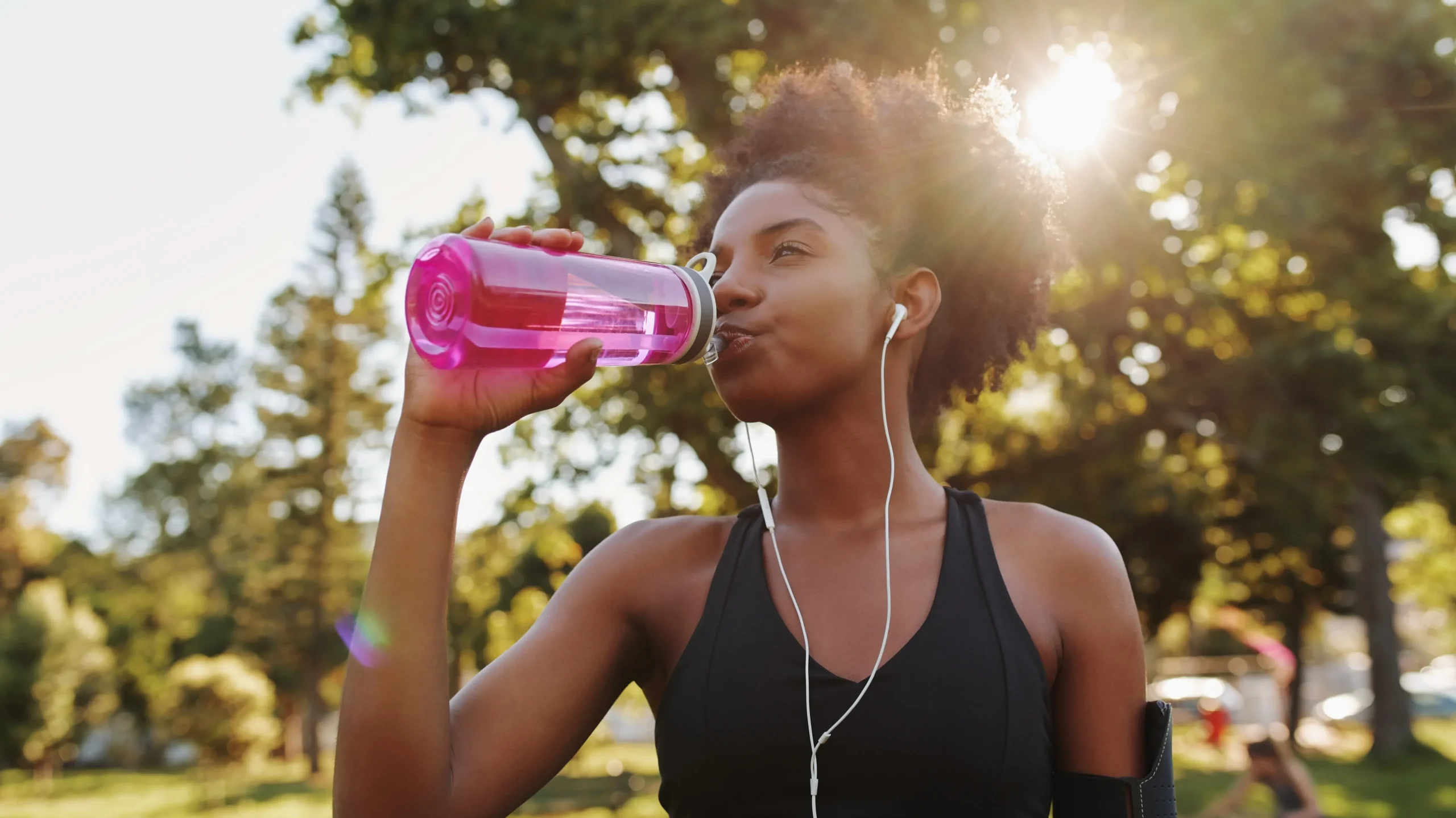
- Dehydration can irritate the bladder and worsen incontinence symptoms, including urgency or frequency. Drink water before, during, and after activities. Also, eat hydration-rich foods (such as watermelon or other summer fruits).
Use Proper Body Mechanics
- Whether you’re hiking, kayaking, or working in your garden, stay mindful of your body’s movements. Keep your spine aligned, and avoid holding your breath when lifting or climbing.
Try Some Core and Pelvic Muscle Activations
- Before getting active, gently engage your deep abdominal muscles and pelvic floor to help stabilize your body.
Take Breaks
- Even if you’re having fun, overdoing things can trigger fatigue and pressure in the lower pelvis. Stop and rest as needed, especially during lengthy activities like hiking or walking around an amusement park.
Wear Supportive Swimwear or Clothing
- Compression shorts or swimwear with extra core support may ease discomfort and improve control. Our team can provide guidance as needed.
Have a Fun and Healthy Summer!
The SCV Therapy Services team hopes your summer is joyful. If you feel like pelvic floor dysfunction is hindering your summer fun, schedule an appointment with us today.
Service Spotlight: Shockwave Therapy
A Groundbreaking Solution for Foot-Related Hip, Knee & Back Pain
Foot pain can trigger a chain reaction throughout the body. When walking becomes painful, movement patterns change, leading to strain in the hips, knees, and lower back. Fortunately, shockwave therapy at SCV Therapy Services offers a non-invasive solution that helps treat stubborn foot conditions so you can find lasting relief.
What Is Shockwave Therapy?
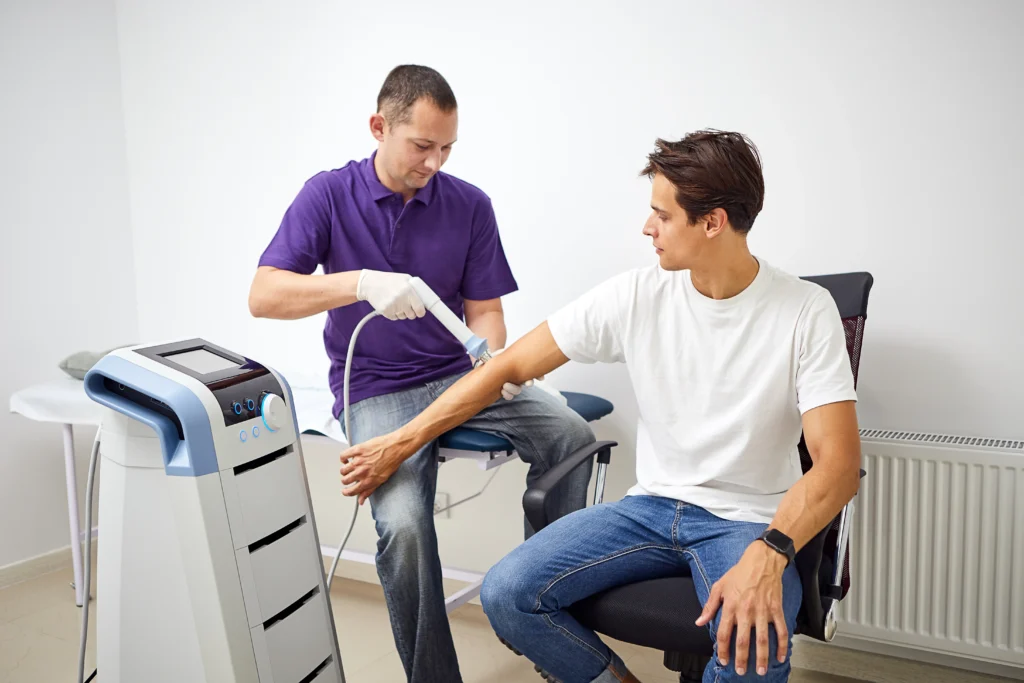
Shockwave therapy is a cutting-edge treatment technique that uses acoustic waves to stimulate healing in damaged soft tissue. These waves help promote blood flow, break down scar tissue, and encourage the body’s natural repair process.
What Conditions Benefit from Shockwave Therapy?
- Plantar fasciitis
- Achilles tendonitis
- Heel spurs
- Shin splints
- Runner’s knee
- Hip bursitis
How Shockwave Therapy Helps Relieve Pain and Restore Function
When foot mechanics are off, it affects the way weight is distributed. Over time, this places stress on joints higher up the body. Shockwave therapy addresses the root cause of this discomfort by:
Reducing Inflammation
- Targets deep tissue irritation, easing stiffness and discomfort
Breaking Down Calcifications
- Helps dissolve hardened tissue deposits that contribute to pain
Improving Circulation
- Increases oxygen and nutrient delivery to damaged areas for faster healing
Stimulating Collagen Production
- Strengthens tendons and ligaments, improving support and mobility
By restoring healthy function in the feet, shockwave therapy can help correct movement patterns, easing strain on the knees, hips, and back.
Call Today to Learn if Shockwave Therapy Is Right For You
If foot pain is limiting your overall movement, shockwave therapy might be the solution you need. Contact SCV Therapy Services for an initial assessment and to learn more about your options!
Sources: https://www.physio-pedia.com/Extracorporeal_Shockwave_Therapy

Delicious Healthy Spinach Dip
- 2 x 10 oz packages chopped spinach, frozen
- 1/2 large onion, finely chopped
- 2 large garlic cloves, minced + 1 small garlic clove, grated
- 2 tbsp oil, for frying
- 1 medium carrot, finely grated
- 2 cups Greek or regular plain yogurt, at least 2% fat
- 1/4 cup mayo
- 1 tsp salt
- Ground black pepper, to taste
Defrost spinach in a colander overnight or microwave it. Squeeze out excess water and place in a medium bowl. In a non-stick skillet over medium heat, sauté onion, 2 minced garlic cloves, and carrot in a bit of oil for about 7 minutes. Add to the spinach along with yogurt, mayo, salt, and pepper. Mix well. Grate in more garlic to taste. Chill for a few hours if possible. Serve with pretzel chips or brown rice crackers.