

The Relationship Between Your Pelvic Floor and a Healthy Back
Most of us will experience back pain at some point in our lives. We might get a little too enthusiastic when moving furniture or develop muscular imbalances due to a sedentary job. But sometimes, back pain isn’t really back pain–rather, it’s rooted in dysfunction in your pelvic area.
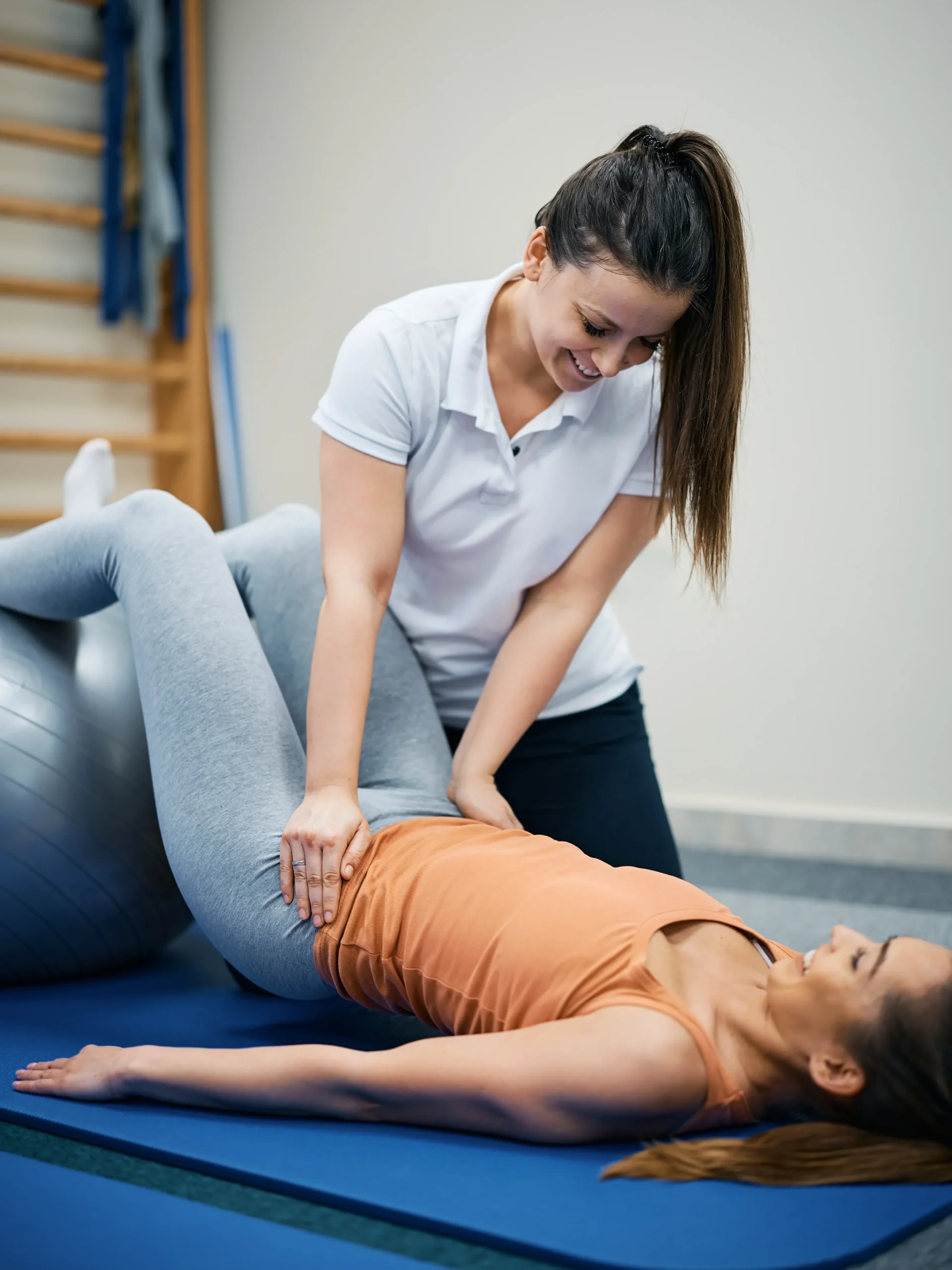
Unfortunately, pelvic pain can be harder to discuss than back pain. It often stems from dysfunction with your pelvic floor, the band of muscles that support your bladder, bowels, and uterus. It can also indicate an issue with your SI joints.
Women are especially susceptible to pelvic pain, including pelvic-related back pain. Pregnancy and gynecological concerns (such as endometriosis) can dramatically impact the pelvic floor, which is why it’s important for women to consider their pelvic health if they’re experiencing issues with their back.
Call Santa Clarita Valley Therapy Services to schedule an appointment if you’re dealing with pain in your lower back or pelvic area–or both. We’ll help determine the actual source of your pain so you can find lasting relief.


Understanding the Causes of Lower Back and Pelvic Pain
Lower back pain is widespread and has several potential causes, including herniated discs, sprains and strains, poor posture, and spinal arthritis–not to mention various contributing factors like poor posture or muscular weakness.
But if that pain spreads into your pelvic area, there may be something else going on. In fact, lower back pain without a clear underlying cause often stems from dysfunction in the pelvic area, such as the following:
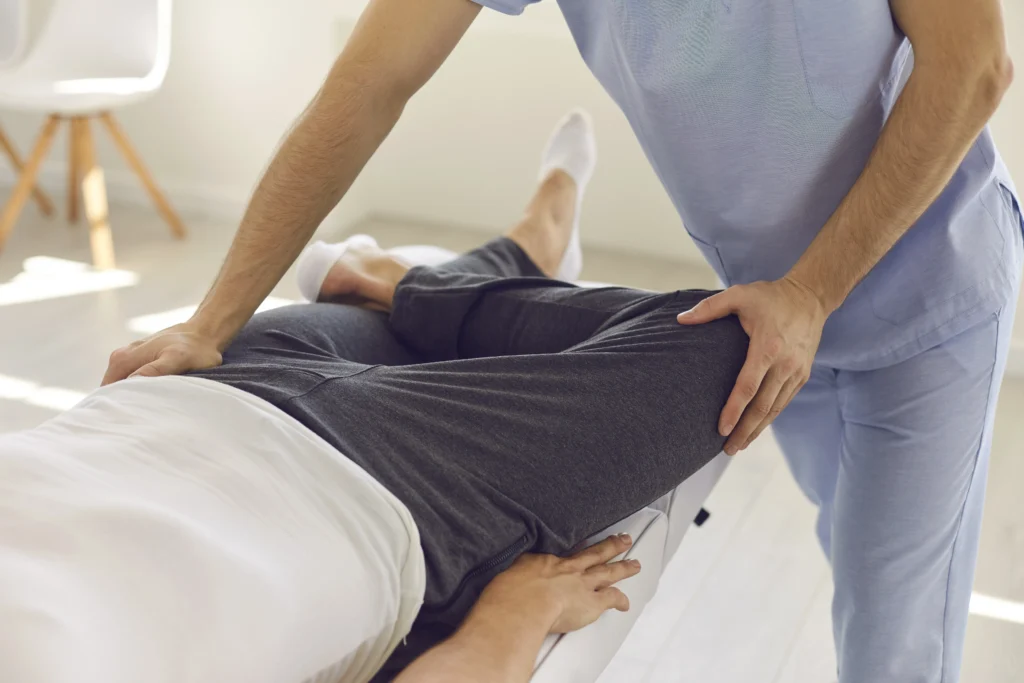
- Impaired pelvic floor: Did you know that your pelvic floor muscles make up part of your core, which supports and stabilizes your spine? If your pelvic floor muscles are weakened or impaired, your back muscles have to do more work to compensate–setting you up for muscle strains or other injuries.
- SI joint dysfunction: The SI joint is the joint that links the spine to the pelvis, so it should be surprising that if something’s wrong there, you may feel pain in both your lower back and your pelvic area. Arthritis, injury, and pregnancy can all cause issues in the sacroiliac joint.
- Pregnancy: Pregnancy itself is a common cause of pain throughout the lower back and pelvic area. There are two main reasons for this:
- Hormonal changes cause your ligaments to become looser in preparation for childbirth, which puts strain on your lower back and pelvis.
- Your center of gravity changes, and your growing baby can force your hips back at an awkward angle, leading to pain.
Don’t Let Your 2024 Insurance Benefits Go To Waste!
Take charge of your health today and make the most of your insurance benefits!
If you’ve already met your deductible this year or have funds left in your HSA account, you can take advantage of our remarkable opportunity at Santa Clarita Valley Therapy Services. Don’t let these valuable benefits go unused!
Helping You Find Relief, No Matter the Source
When it comes to pain in your lower back and pelvis, the first step our therapists take is to identify the source of your pain. That way, we can provide the customized treatment you need to resolve the pain at its root rather than merely treating symptoms.
We’ll begin with a comprehensive evaluation. Our therapists provide a welcoming, discreet space where you can freely share your symptoms–including pelvic-related symptoms that might feel embarrassing. Make sure you share…
- The exact location of your pain
- The pain’s sensations–is it burning? Dull? Aching?
- When do you feel pain? Is it persistent? Do you mostly notice it when you wake up?
- Any restrictions in range of motion you might be experiencing
- Any pelvic-related symptoms you might be experiencing, such as incontinence or sexual dysfunction
Once we’ve reviewed your symptoms and taken a full health history, we’ll conduct an in-depth physical evaluation, including running several movement screens. All this information helps us determine whether or not your pain is rooted in your lower back, pelvic area, or somewhere else–and that helps us develop your personalized treatment plan.
Exercise of the Month
Angel On Back
Start by lying flat on your back with your arms straight down by your sides, your palms down, and your legs together. Slowly slide both arms straight up over your head and simultaneously slide both legs outward. Slide your arms back down and your legs back in. Repeat 3 sets, 10 reps each.


Targeted Treatments So You Can Find Relief
Our treatment plans will vary based on your exact needs. In general, though, we aim to help you with the following:
- Find immediate pain relief through manual therapy techniques or gentle stretches
- Improve mobility through targeted range of motion exercises
- Strengthen any weakened or impaired muscles, whether in your back, core, or pelvic floor
- Provide you with the tools you need to avoid future bouts of pain
Sources: https://www.physio-pedia.com/Low_Back_Pain_and_Pregnancy, https://www.physio-pedia.com/Sacroiliac_Joint, https://pubmed.ncbi.nlm.nih.gov/36205811
Call Us Today To Get Started!
If you’re struggling with back issues or pelvic pain, the Santa Clarita Valley Therapy Services therapists will help you get to the bottom of things. Call to make your appointment today!
Our Patients Are Seeing Great Results
Thank you all so very, very much for getting me back in shape! Just when I thought I’d learned every single exercise known to (wo) man, you taught me something new!
– Julie D.
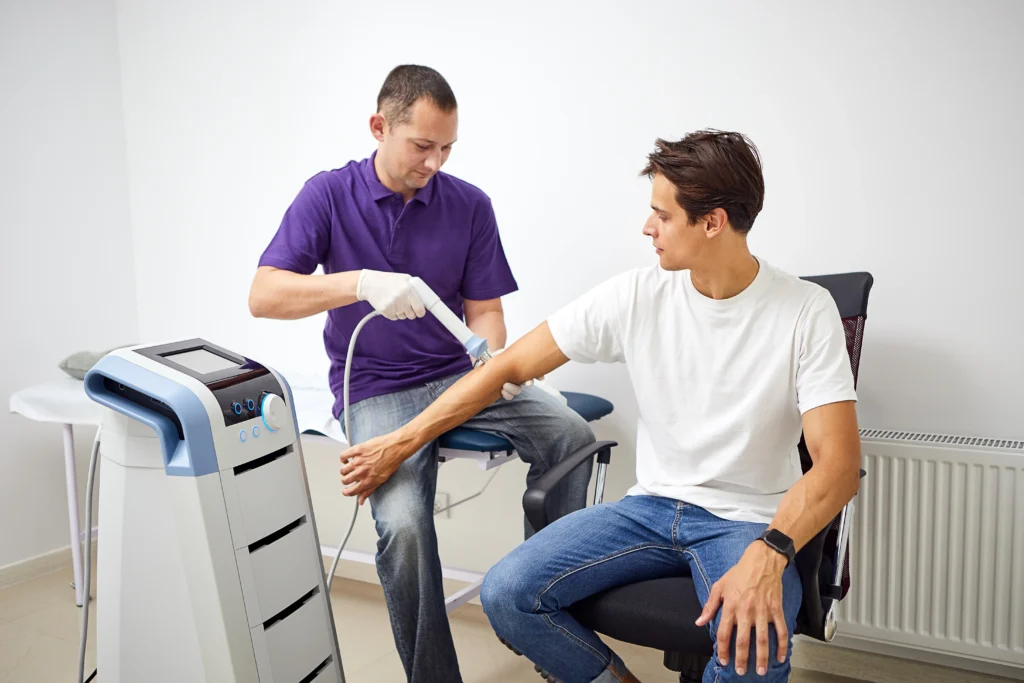
Shockwave Therapy: Simple, Safe, and Effective!
The term “shockwave therapy” might sound alarming. Its full name–extracorporeal shockwave therapy–is even scarier. However, there’s nothing to fear from shockwave therapy, which is a proven, non-invasive method for treating various musculoskeletal conditions.
In fact, shockwaves are actually just high-energy sound waves similar to those used in ultrasound technology. “Extracorporeal” just means “outside of the body” and refers to how we administer the treatment.
At Santa Clarita Valley Therapy Services, we use shockwave therapy to help reduce pain, facilitate healing and blood circulation, and minimize inflammation. It can help address pain from soft tissue injuries throughout the body, including in the elbow, knee, and shoulders.
What To Expect During Shockwave Therapy
If we determine that shockwave therapy is an appropriate treatment option for you, we’ll begin by applying a gel to the affected area, similar to what happens during an ultrasound. The gel ensures the shockwaves effectively transfer to your body without losing energy.
We use a wand to deliver the shockwaves, which work by causing controlled microtrauma to your soft tissue. The body, in turn, responds to this microtrauma by sending more blood to the area, facilitating your body’s natural healing process.
Will You Benefit from Shockwave Therapy?
Think shockwave therapy might help your recovery goals? Schedule an appointment today to get started.
Sources: https://www.ncbi.nlm.nih.gov/pmc/articles/PMC7608508, https://www.physio-pedia.com/Extracorporeal_Shockwave_Therapy_(ESWT), https://www.tasteofhome.com/recipes/christmas-jam/

Holiday Jam (A Great Homemade Gift!)
Ingredients:
- 1 package (40 ounces) frozen unsweetened strawberries, thawed or 2-1/2 quarts fresh strawberries, hulled
- 1 pound fresh or frozen cranberries, thawed
- 5 pounds sugar
- 2 pouches (3 ounces each) liquid fruit pectin
Directions:
- Grind strawberries and cranberries in a food processor or grinder; place in a Dutch oven. Add sugar.
- Bring to a full rolling boil; boil for 1 minute. Remove from the heat; stir in pectin and return to a full rolling boil. Boil for 1 minute, stirring constantly. Remove from the heat.
- Cool for 5 minutes; skim off foam. Carefully ladle hot mixture into hot half-pint jars, leaving 1/4-in. headspace. Remove air bubbles; wipe rims and adjust lids. Process for 10 minutes in a boiling-water canner.