


How Physical Therapy Helps Pelvic Health
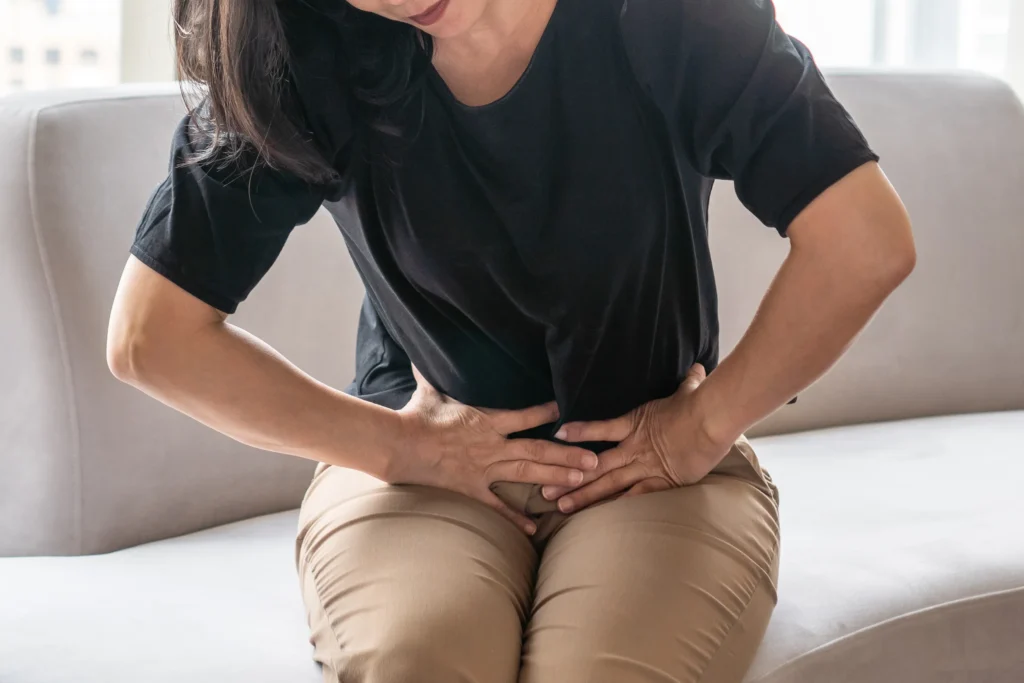
Are you living with symptoms you find difficult to talk about? Perhaps you’re struggling with incontinence, sexual dysfunction, or endometriosis. Maybe you’ve developed a pelvic organ prolapse.
While these conditions can sound scary, they’re very treatable. Unfortunately, they often stem from issues related to pelvic health, and many people will live with pain and discomfort due to being uncomfortable sharing their concerns.
At SCV Physical Therapy, we want to change that. Our physical therapists frequently help people manage their pelvic health, offering private rooms and a judgment-free zone where you can share your symptoms and get the treatment you need.
Today, we want to explore pelvic health: what it is, how it can impact your life, and how our physical therapy services can help improve it.
Still have questions? Our friendly staff is happy to answer them. We’re just a phone call away!
What Do We Mean by Pelvic Health?
Your pelvic floor is a sling of muscles at the base of your core. It acts as a “hammock” for your pelvic organs, including your bladder, bowels, prostate (in men), and sexual organs (in women). When the pelvic floor is healthy, it supports those organs and helps them function properly. But when it becomes impaired–such as being weak or overly restricted–you can experience several different symptoms.
Anyone can experience issues with their pelvic floor, although the exact concerns can vary somewhat with gender. Here are some of the common complaints we help treat:
Urinary Incontinence
- Anyone can develop urinary incontinence, although it is more common in women. This can include stress incontinence (leaking when laughing or coughing), urge incontinence (having an overwhelming need to go), or a combination.
Pelvic Pain
- Pelvic pain can have a variety of causes, from nerve issues to gynecological conditions like endometriosis. We’ll help determine the cause and find the right treatment option for your needs.
Sexual Dysfunction
- For women, sexual dysfunction can include painful intercourse or difficulty with orgasm. For men, it can include erectile dysfunction or painful ejaculation. But either way, pelvic floor impairment is often the culprit.
Pelvic Organ Prolapse
- This occurs when the pelvic organs slip out of place. It can affect both men and women and develop due to weakened pelvic floor muscles.
Pregnancy/Postpartum Discomfort
- The changes that occur in your body during pregnancy can lead to pelvic and lower back pain, urinary incontinence, and other musculoskeletal concerns.
Exercise of the Month
Clamshells (Exercise Band)
(Materials needed: exercise band)
Lie on your side with your knees bent and feet together. Position an exercise band above your knees. The side you want to exercise should be on top. While keeping your feet together, lift your top knee away from your bottom knee. Slowly return to the starting position. 3 Sets, 10 Reps.
What Treatment Options Do We Offer?
Treatment for pelvic health concerns varies depending on the cause. That’s why our team will spend your first session taking your health history, reviewing your symptoms, and running several screens so we can provide you with the interventions you need.
Here are some of the common treatment options we use to improve pelvic health:
Pelvic Floor Exercises
- We’ll show you tailored exercises designed to stretch and strengthen your pelvic floor muscles–and ensure you’re performing them correctly.
Biofeedback
- Biofeedback uses technology to help you “see” what’s going on inside your body. This is especially true for the pelvic floor, an internal muscle that can be harder to control.
Manual Therapy
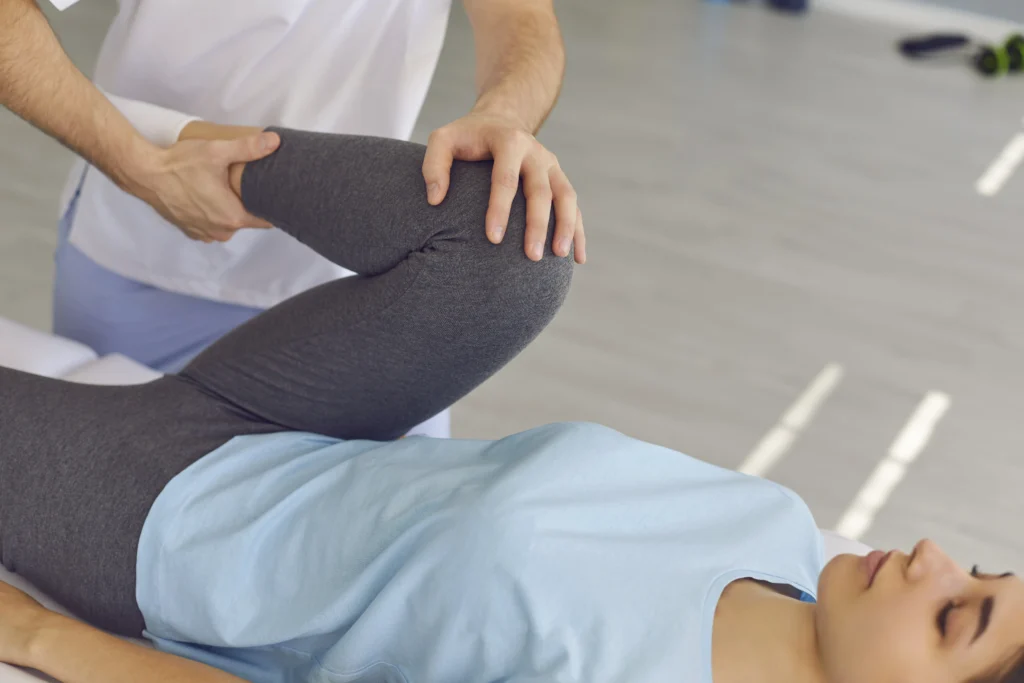
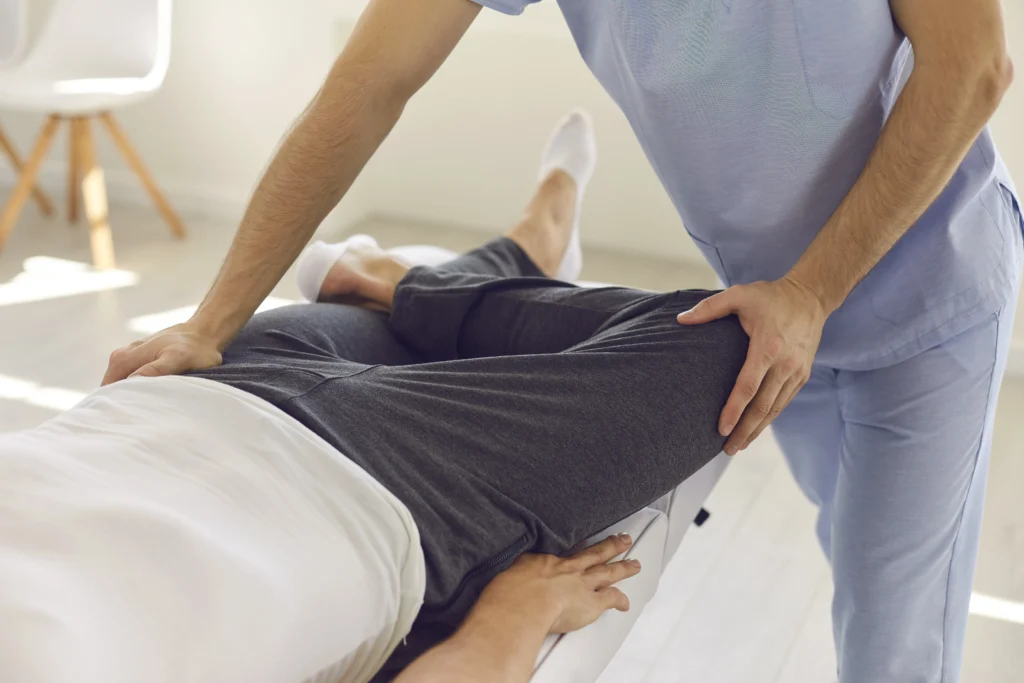
- Certain hands-on pain relieving techniques, such as myofascial release, can help ease muscle tension that can contribute to pelvic pain and dysfunction.
Electrical Stimulation
- Electrical stimulation (sometimes called TENs) uses a mild electric pulse to improve pelvic muscle function and reduce pain.
Bladder Training
- If you’re dealing with urinary incontinence (especially urge incontinence), bladder training can help you go longer between bathroom breaks.
Lifestyle Modifications
- We’ll help you find lasting relief by addressing other factors that might contribute to pelvic floor dysfunction, such as regular exercise, nutrition, and more.
Sources: https://www.ncbi.nlm.nih.gov/pmc/articles/PMC8182461/, https://link.springer.com/article/10.1007/s40141-020-00273-5
Ready to Get Started?
At SCV Physical Therapy, we understand how challenging it can be to live with pelvic floor dysfunction. Worse, many people will suffer for years due to the shame surrounding common symptoms related to poor pelvic floor health.
We want you to know there’s nothing to be ashamed of–and our physical therapists have heard it all! Take control of your health and well-being, starting with your pelvic health. Call our clinic today to set up your initial consultation!
Empowering Your Pelvic Health Through Physical Therapy
The pelvic floor muscles play a surprisingly important role in our daily lives. These muscles support our bladder, bowel, and sexual function and contribute to core stability. When these muscles become weak, tight, or damaged, it can lead to various pelvic health problems.
Here at SCV Physical Therapy, our team of experienced physical therapists can help you address these concerns and improve your overall pelvic health.
What to Expect During Pelvic Floor Physical Therapy
A pelvic floor physical therapy session typically begins with a comprehensive evaluation to understand your concerns and medical history. This may involve a physical examination and discussion of your symptoms and lifestyle habits.
Based on the evaluation, your physical therapist will create a personalized treatment plan. This plan might include:
- Pelvic Floor Muscle Exercises: Targeted pelvic floor exercises help strengthen and improve pelvic floor muscles’ coordination.
- Manual Therapy: Internal or external manual techniques can address muscle restrictions, dysfunctional neuro-muscular control, and pain points in the pelvic region.
- Biofeedback: This technology provides real-time feedback on your muscle activity, allowing you to learn how to isolate and control your pelvic floor muscles more effectively.
- Education: Learning about pelvic floor anatomy, function, and healthy habits can empower you to manage your condition effectively.

Feel Better by Eating Better!
Oatmeal Pancakes With Cinnamon Apples
- 1 1⁄2 cups buttermilk
- 3⁄4 cup instant rolled oats
- 3⁄4 cup whole wheat flour
- 2 Tbsp milk
- 1 Tbsp melted butter
- 1 1⁄2 tsp baking powder
- 1⁄2 tsp baking soda
- Pinch of cinnamon (plus 1⁄8 tsp for the apples)
- Pinch of nutmeg
- 1 Granny Smith apple, peeled, cored, and chopped
- 1⁄2 cup apple juice
- Butter or cooking spray
In a large bowl, mix the buttermilk, oats, flour, milk, butter, baking powder, baking soda, cinnamon, and nutmeg. Let it rest. In a small saucepan, simmer the apple, apple juice, and cinnamon until the apple softens and the liquid thickens. Preheat the oven to 200°F. Heat a skillet over medium heat and add butter or cooking spray before each round. Scoop 1⁄4-cup portions of batter, spreading into thin circles. Cook 2-3 minutes per side. Keep pancakes warm in the oven. Serve with warm apples.