


Discover How A Stronger Core Improves Your Spine Health
Are you tired of that nagging back pain that keeps you from enjoying life to the fullest? Do you ever struggle to maintain proper posture? You might be wondering what these two issues have in common, but the answer’s easy: they’re both potential signs of core muscle weakness.
When most people think of core muscles, they immediately think of the abdominals. However, the core muscles comprise the lower back, hip, pelvis, pelvic floor, and even the diaphragm muscle.
These muscles are designed to help stabilize your body, support your posture, ensure your balance, and help you perform all manner of movements. If any of them are weak, injured, or used inappropriately, your trunk becomes unstable, making it difficult for your body to function correctly.
This is why core strength and spinal health are so closely connected: a strong core wraps and supports your spine, protecting you from various back injuries that can lead to discomfort and immobility.
At Santa Clarita Valley Therapy Services, our physical therapists can help you determine whether your core negatively impacts your spinal health and, if so, how to strengthen it again! Call us today to get started.
Understanding the Common Causes of Back Pain
Our first step in treating back pain is understanding what’s causing it–whether a sedentary lifestyle, an injury, or daily wear and tear. From there, we can determine if a weakened core is a contributing factor.
Here are some of the common causes of back pain we see at our clinic:
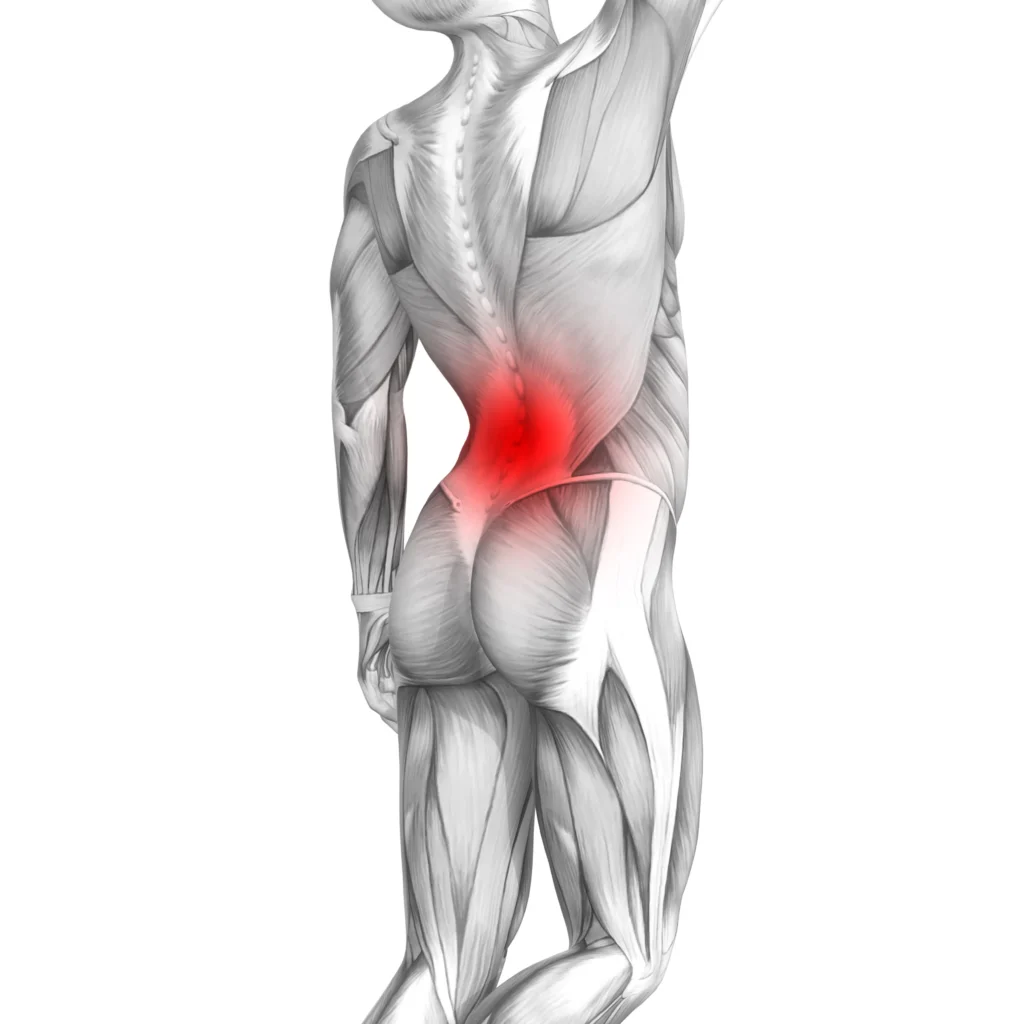
Back Muscle Strain
Repeated heavy lifting or awkward lifting postures can strain the back muscles. A weak core is often at the root of these kinds of injuries.
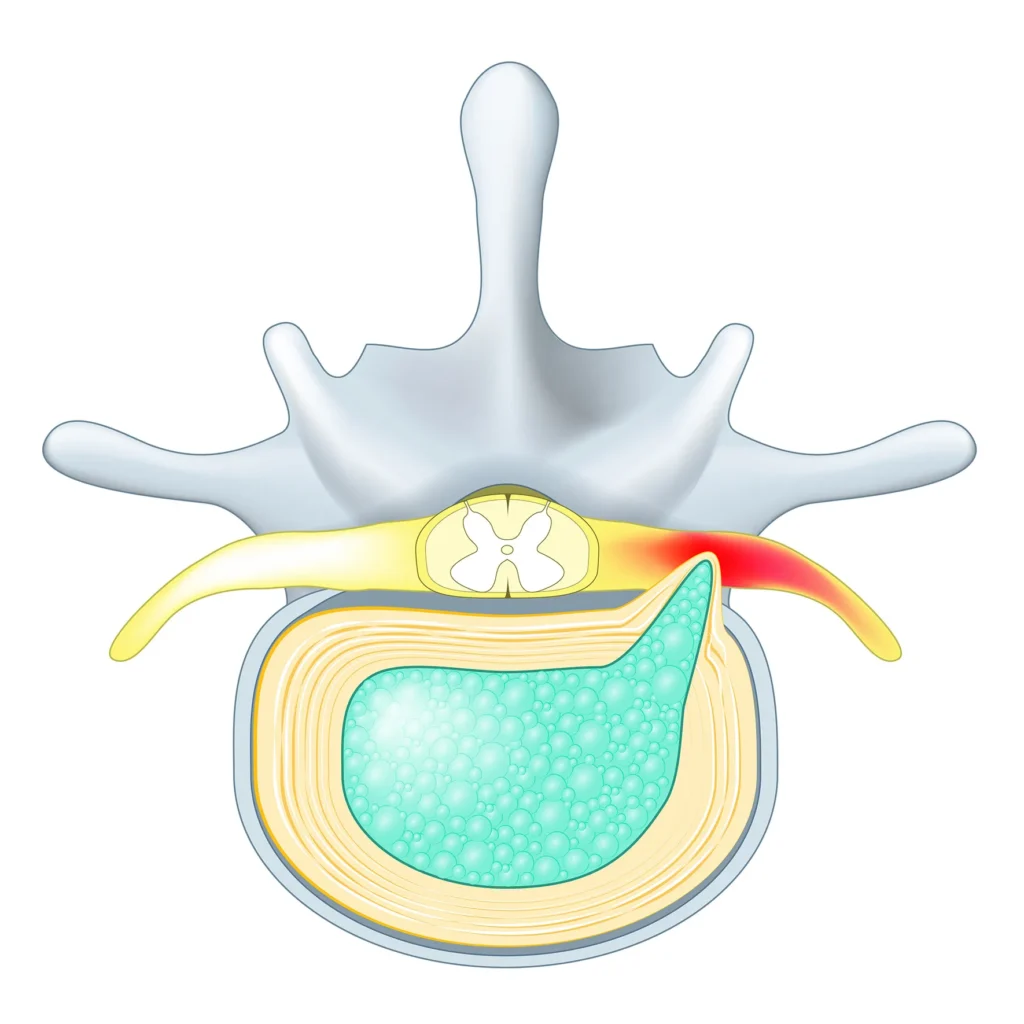
Bulging or Ruptured Discs
Discs, the cushioning between your bones, can bulge or herniate and press on a nerve.
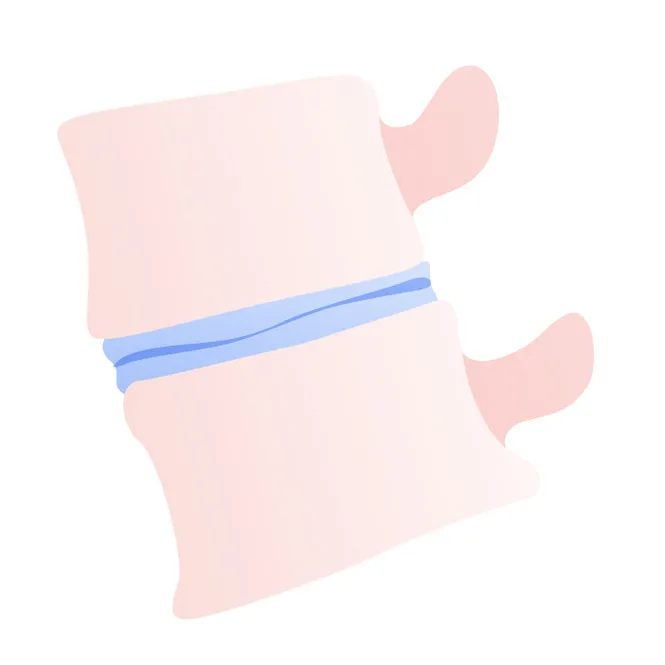
Degenerative Disc Disease
As we age, the discs between the vertebrae deteriorate, which can cause pain, especially if one disc is worn down significantly.
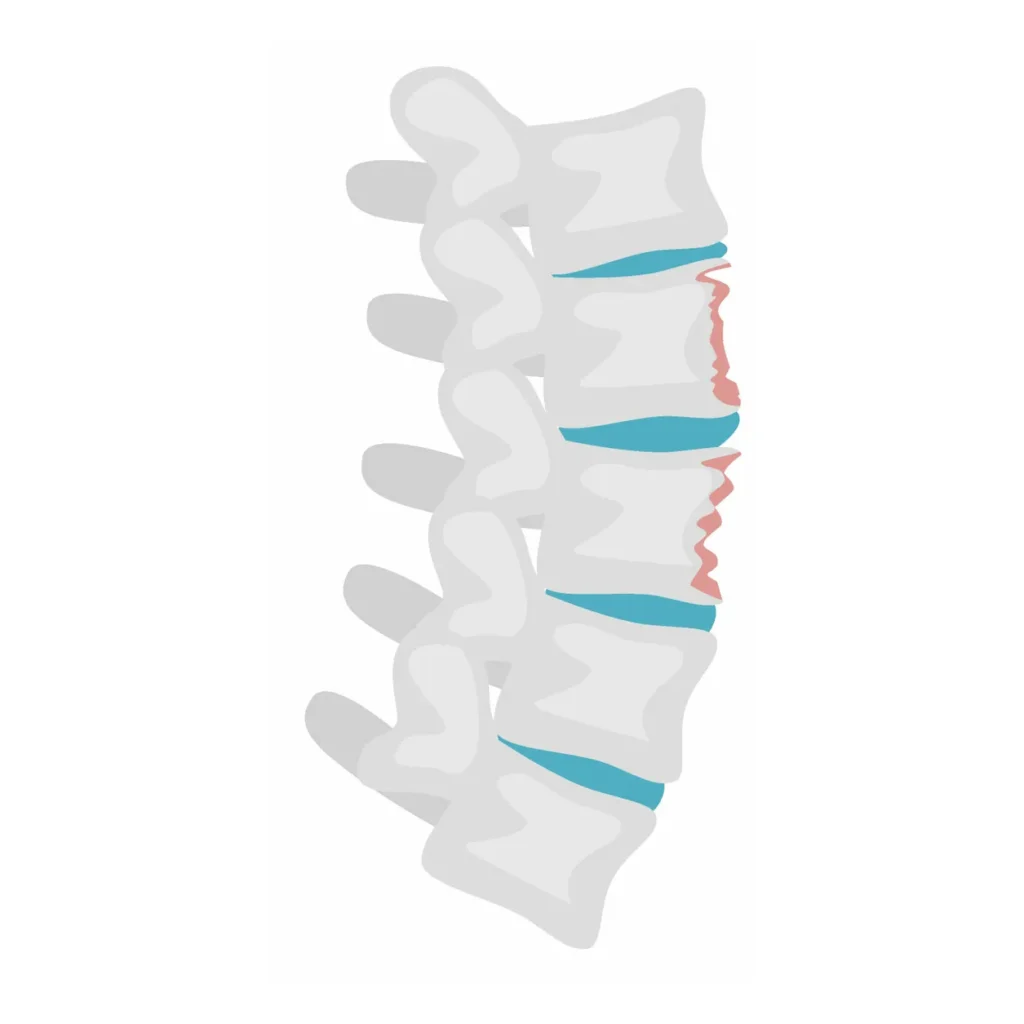
Spinal Stenosis
This condition results from the narrowing of the spinal canal, putting pressure on the nerves and causing back pain.
Even if a weakened core doesn’t directly cause your back pain, strengthening your core helps remove pressure from your spine. For example, someone with DDD or spinal stenosis may find that strengthening their core helps alleviate some of their symptoms.
Sources: https://bmcmusculoskeletdisord.biomedcentral.com/articles/10.1186/s12891-021-04858-6, https://www.ncbi.nlm.nih.gov/pmc/articles/PMC6407754, https://www.jospt.org/doi/10.2519/jospt.2021.0508
Building Core Strength and Stability
Physical therapy is a great starting point for building your core strength. As part of your assessment, our physical therapists will conduct a detailed evaluation to identify any underlying muscle weaknesses in your core and how to correct them. We’ll then design a program to teach you how to use your core muscles properly.
We will create a strength program that focuses first on core-specific exercises and then progresses to multi-joint free-weight exercises for comprehensive core muscle training. You can anticipate continuous feedback and guidance for fine-tuning your movements to ensure optimal spinal stabilization through a strong core.
Core stability is about muscular strength and proper sensory input. This sensory input informs the central nervous system about your body’s movements and positions to facilitate specific actions and ensure your body reacts appropriately. When our spine functions properly, our bodies can perform the most basic tasks and advanced athletic activities.
Other Effective Strategies for a Healthy Spine
In addition to working with you to improve your core strength, we might incorporate the following methods into your treatment plan:

Manual Therapy
Your therapist uses their hands to gently massage and mobilize your back, easing those tight muscles and helping you relax.
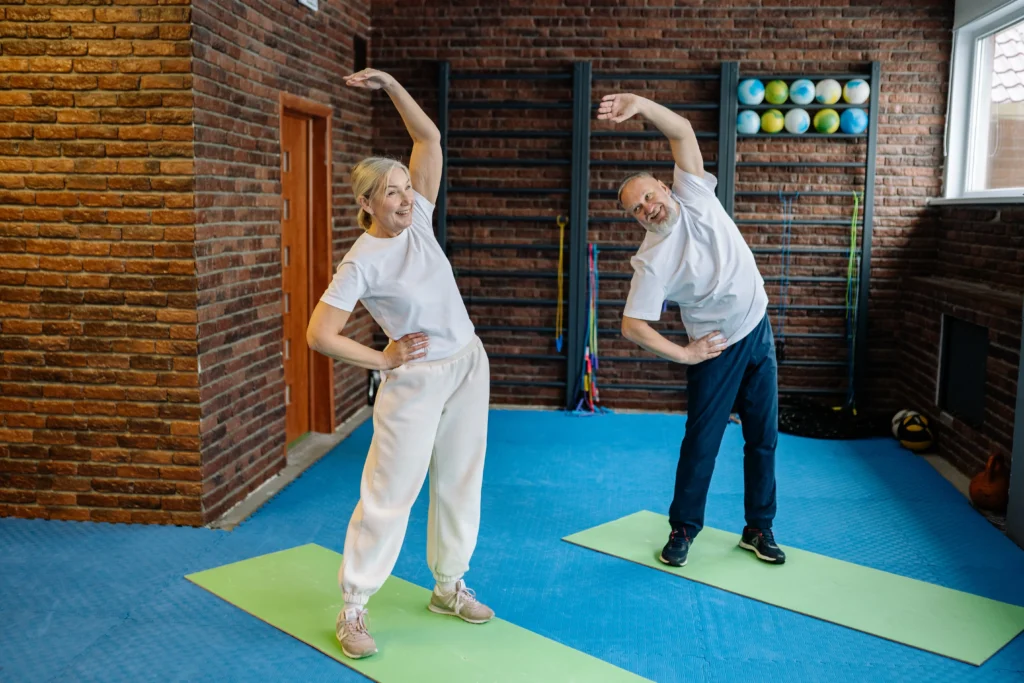
Mobility Work
Your therapist will guide you through movements that help increase the mobility of your back.
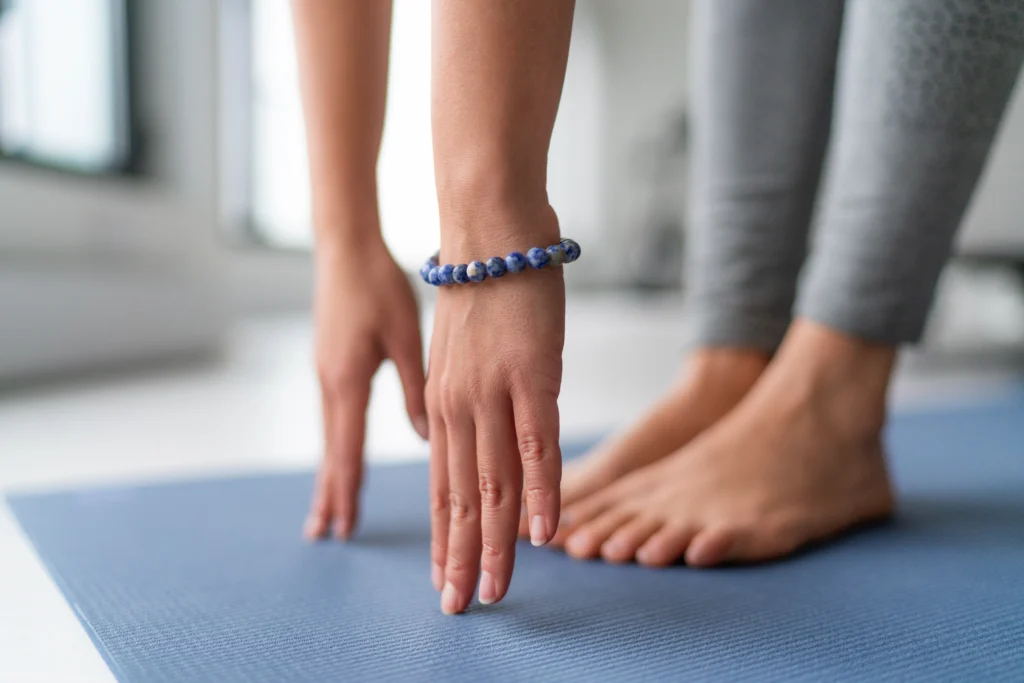
Targeted Stretches
Your therapist will show you the right ways to stretch, helping you loosen up those stiff areas and feel great.
Enhance Your Spine Health with Shockwave Therapy
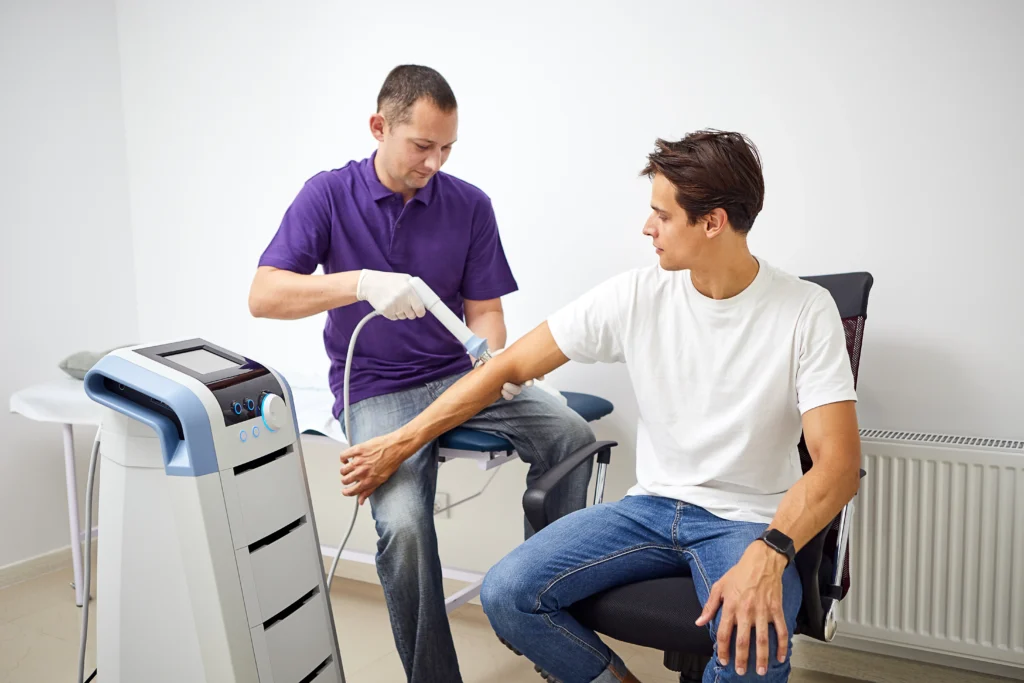
Discover the latest breakthrough in non-invasive healthcare treatments at SCV Therapy Services: Shockwave Therapy. This innovative approach uses acoustic waves to relieve pain and promote healing, making it an excellent option for addressing conditions like tendinopathy and difficult-to-heal ligament injuries. Combined with core-strengthening exercises, it can be a powerful tool for improving your spine health.
How It Works
Shockwave therapy involves the application of high-energy acoustic waves directly to the affected area. These waves help break down calcium deposits in tendons and stimulate healing in damaged tissues. This treatment is particularly beneficial for promoting healing after orthopedic surgery, such as when tendons around the hip remain painful due to long-term overuse and degeneration. By improving tissue healing, shockwave therapy can support spine health by addressing underlying issues that may be contributing to discomfort or limited mobility.
Benefits for Spine Health
A strong core is essential for maintaining a healthy spine. By reducing pain and accelerating tissue repair, shockwave therapy complements core-strengthening exercises, making it easier for patients to engage in rehabilitation and maintain spinal alignment. Together, these treatments can enhance your overall spine health and reduce the risk of injury.
Frequently Asked Questions About Shockwave Therapy
- Is Shockwave Therapy Painful?
Most patients report some discomfort during shockwave therapy, but the majority do not find it painful. The level of discomfort depends on the individual, their specific injury, and how close the damaged tissue is to a bone (treatments near bones tend to be more uncomfortable). A topical gel is applied to the skin to minimize discomfort, and as soon as the treatment is over, the discomfort typically stops. - How Long Does Shockwave Therapy Take?
Each shockwave therapy session lasts approximately 15 to 20 minutes. Most patients require four to eight treatments, typically scheduled over several weeks, depending on the nature of the injury and the patient’s recovery progress. - Is Shockwave Therapy Effective?
Our physical therapists at SCV Therapy Services have observed significant healing in many patients following shockwave therapy. While results may not be immediate, they tend to improve over time as injured tissues heal. Shockwave therapy is often used in conjunction with other treatments, such as physical therapy, to promote the best possible outcomes for spine health and overall recovery. - Is Shockwave Therapy Covered by Insurance?
The coverage of shockwave therapy by insurance providers varies. Some insurers recognize its benefits and cover the treatment, while others may consider it experimental and not provide coverage. At SCV Therapy, we offer affordable cash payment plans that can be purchased as a separate treatment package for patients whose insurance does not cover the therapy.
Experience the Difference
Whether you’re seeking relief from pain or looking to enhance your spine health by complementing your core-strengthening exercises, shockwave therapy can be an effective solution. Contact SCV Therapy Services today to learn more about how this innovative treatment can support your recovery and schedule a consultation.
Book Your Appointment at Santa Clarita Valley Therapy Services Today!
Our physical therapy team will assess your condition to identify how your core affects your spinal health. Our individualized exercise programs can reduce pain and improve overall quality of life.
Don’t Let Your 2024 Insurance Benefits Go To Waste!
Take charge of your health today and make the most of your insurance benefits!
If you’ve already met your deductible this year or have funds left in your HSA account, you can take advantage of our remarkable opportunity at Santa Clarita Valley Therapy Services. Don’t let these valuable benefits go unused!

Exercise of the Month
Angel On Back
Start by lying flat on your back with your arms straight down by your sides, your palms down, and your legs together. Slowly slide both arms straight up over your head and simultaneously slide both legs outward. Slide your arms back down and your legs back in. Repeat 3 sets, 10 reps each.


Feel Better by Eating Better!
Oatmeal Pancakes With Cinnamon Apples
1 1⁄2 cups buttermilk
3⁄4 cup instant rolled oats
3⁄4 cup whole wheat flour
2 Tbsp milk
1 Tbsp melted butter
1 1⁄2 tsp baking powder
1⁄2 tsp baking soda
Pinch of cinnamon (plus 1⁄8 tsp for the apples)
Pinch of nutmeg
1 Granny Smith apple, peeled, cored, and chopped
1⁄2 cup apple juice
Butter or cooking spray
In a large bowl, mix the buttermilk, oats, flour, milk, butter, baking powder, baking soda, cinnamon, and nutmeg. Let it rest. In a small saucepan, simmer the apple, apple juice, and cinnamon until the apple softens and the liquid thickens. Preheat the oven to 200°F. Heat a skillet over medium heat and add butter or cooking spray before each round. Scoop 1⁄4-cup portions of batter, spreading into thin circles. Cook 2-3 minutes per side. Keep pancakes warm in the oven. Serve with warm apples.