

Swelling After Cancer Treatment? Here’s What to Know
Sometimes, cancer treatment can continue to affect daily life long after treatment ends. One such example is lymphedema, a condition marked by chronic swelling that can limit mobility and make even simple tasks more difficult.
A new lymphedema diagnosis can be difficult. However, early treatment and consistent care from the Santa Clarita Valley Therapy Services team can help you effectively manage your symptoms, stay active, and live life to the fullest.
A Deep Dive Into Lymphedema
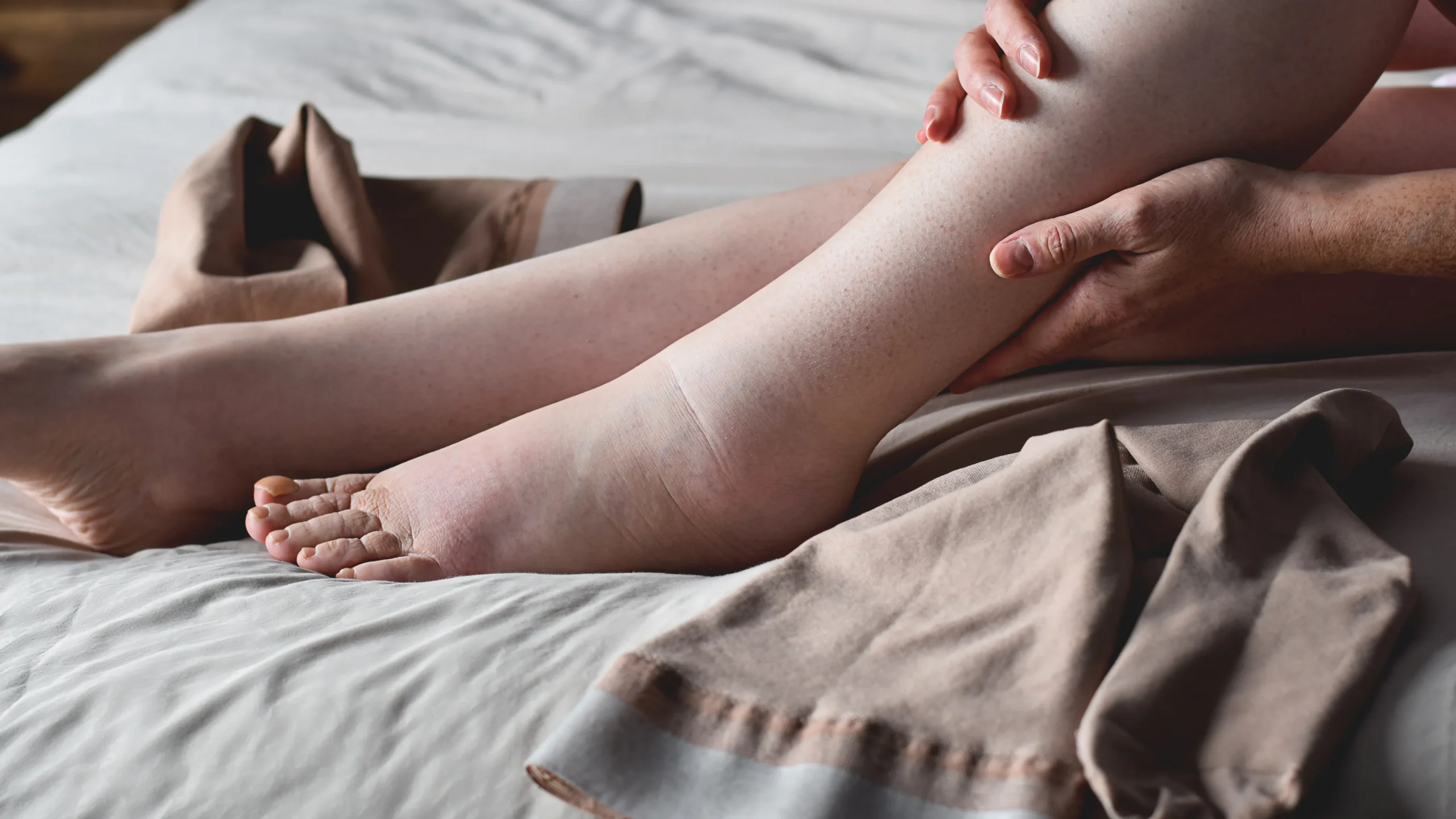
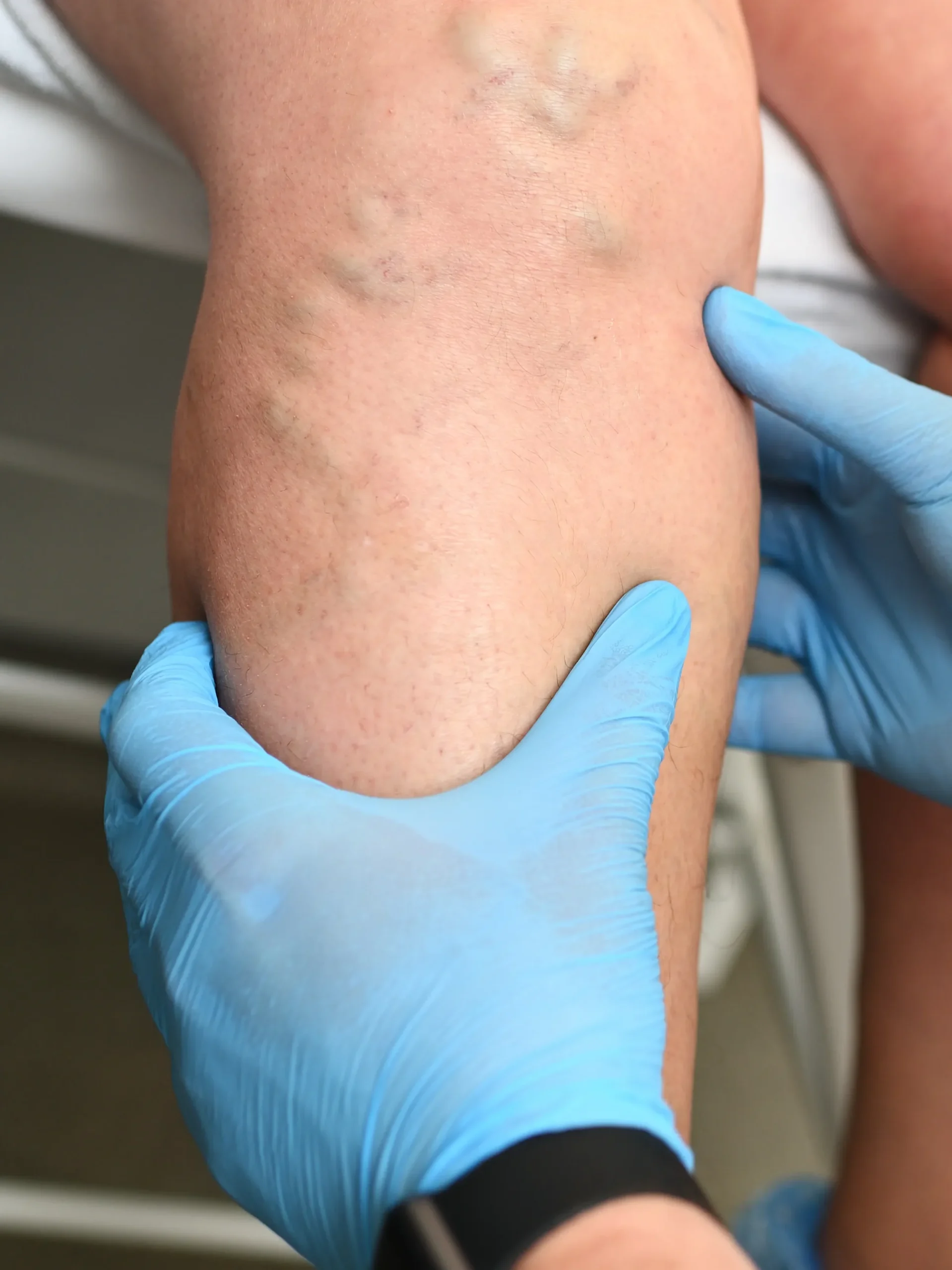
Lymphedema is the result of a dysfunction in your lymphatic system, which removes waste fluid from your cells (called lymph) and cycles it through your lymph nodes for processing. When either the lymph nodes or vessels are damaged, that fluid can build up in nearby tissue. Typically, this swelling affects the legs, arms, or chest.
Most cases of lymphedema develop as a result of cancer treatments that impact the lymphatic system, particularly:
- Lymph node removal
- Radiation therapy
- Surgery in the upper body that affects the lymph nodes
Breast cancer survivors tend to be the most affected by lymphedema, but it can also occur after treatment for other types of cancer, including prostate cancer or head and neck cancers.
The Importance of Early Treatment
Lymphedema is a progressive condition that generally can’t be reversed. However, you can absolutely slow the progression of the condition and reduce complications, especially if you begin care in the early stages.
While lymphedema’s primary symptom is swelling, it will usually be subtle at first. You might notice that jewelry doesn’t fit as well as it used to or that your skin feels tight. Some people experience sensations of fullness or pressure before swelling becomes noticeable.
Managing Lymphedema with Physical Therapy
Santa Clarita Valley Therapy Services offers several treatment approaches that can help you effectively manage lymphedema symptoms, whether you’re in the early or later stages. We focus on reducing swelling, protecting skin health, and helping you stay active and independent. Here are some of the techniques we might recommend:
Manual Lymphatic Drainage
Manual lymphatic drainage is a specialized, ultra-light massage that redirects trapped fluid to move through the lymphatic system. Because the lymphatic vessels lie just beneath the skin, the technique involves a very light, rhythmic touch that bypasses the damaged areas and clears a path for the fluid to drain safely back into your body. Improved lymphatic circulation helps reduce swelling and enhance both comfort and mobility.
Compression Therapy
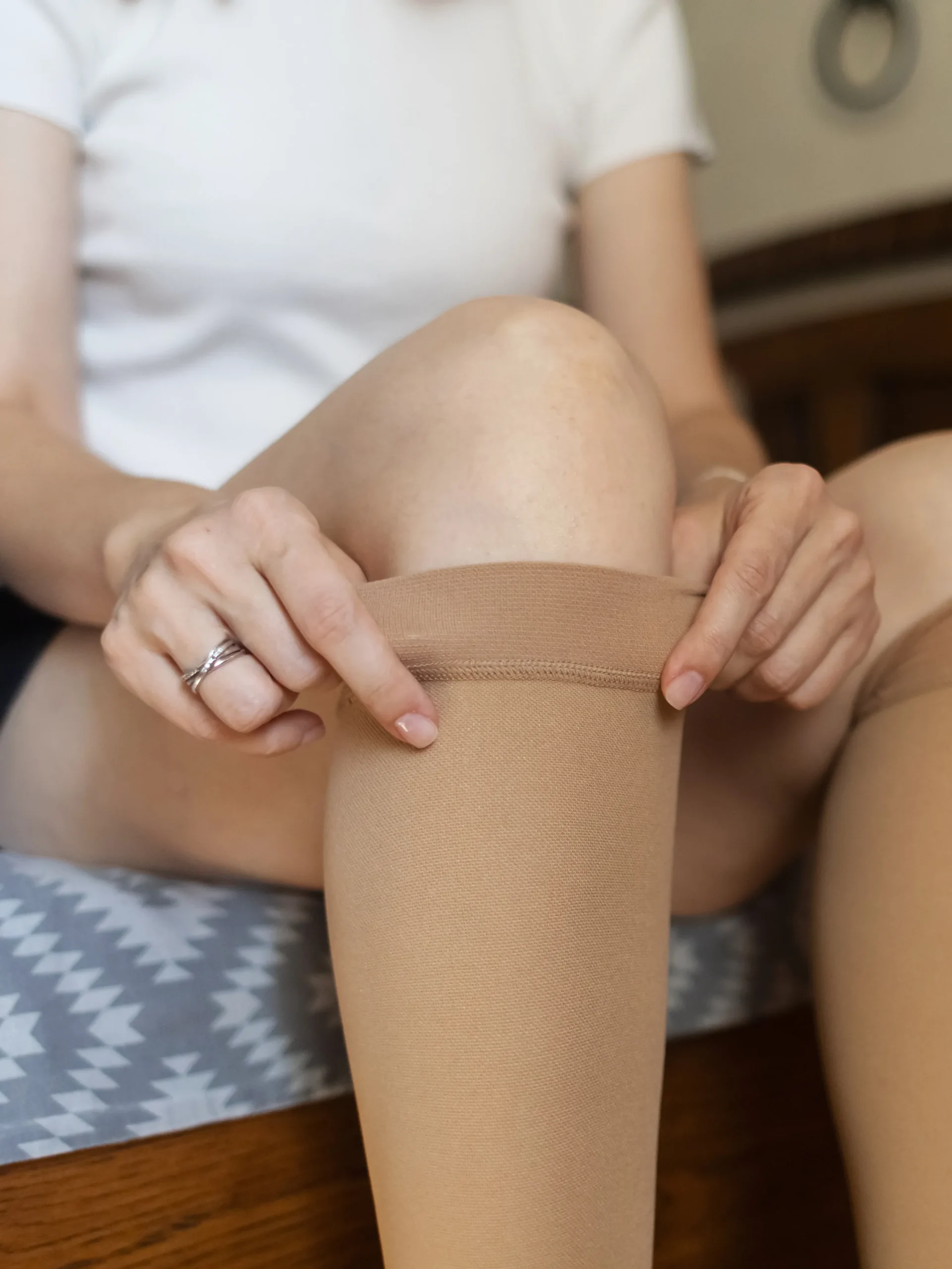
Compression helps prevent fluid from building up again after treatment. Depending on your needs, we may recommend specialized sleeves, stockings, or multi-layer bandages.
The key is to find the right fit, as ill-fitting compression garments can cause discomfort or limit effectiveness.
Therapeutic Exercise
Movement plays an important role in the management of lymphedema. Safe, progressive exercise acts like a built-in pump for your body. When your muscles contract during lifting or walking, they physically squeeze the fluid channels, pushing the swelling out of your arm or leg while building up your strength. We’ll work closely with you to find exercises that meet your needs and activity level, such as:
- Mobility work
- Strength training
- Walking programs
- Water-based exercises
Strategies for Daily Management
Daily habits can affect lymphedema symptoms, but a few simple strategies and habits can make a big difference in your day-to-day comfort. We can cover information about:
- Skin care techniques
- Safe exercise guidelines
- Swelling management strategies
- Activity pacing
- Positioning recommendations
- Infection prevention tips
Many self-care strategies just require small changes. For example, it’ll be important for you to take regular movement breaks during long car rides, and you’ll need to moisturize your skin regularly to keep it healthy. But even these simple habits can go a long way.
Compassionate Support and Long-Term Relief
Living with lymphedema can feel frustrating. Swelling, discomfort, and fatigue may interfere with daily activities and confidence. However, our team focuses on helping you regain function and improve comfort with individualized care and practical solutions. We regularly monitor your progress and will adjust your treatment plans as your symptoms change, ensuring care remains truly customized to your needs.
If you’ve recently undergone cancer treatment and have been noticing swelling or feelings of heaviness or tightness, schedule an appointment with Santa Clarita Valley Therapy Services today. We can evaluate your symptoms and determine if lymphedema is a concern. If it is, we’re here to help you manage your symptoms, improve mobility, and support long-term wellness with compassionate, evidence-based care.
New Insurance Plans Accepted
Santa Clarita Valley Therapy Services now accepts Regal Medical Group, Lakeside Community Healthcare, and Kaiser Permanente insurance plans.
We’re excited to expand access to care and make it easier for more patients to receive the therapy services they need.
Exercise of the Month
Seated Leg Extension
Sit up straight in a chair with your feet flat on the floor. Slowly extend one leg out in front of you until it’s straight, squeezing your thigh muscle. Hold briefly, then lower it back down with control. Alternate legs or complete all reps on one side before switching.
3 Sets, 10 Reps (each leg)
(Materials needed: chair)
Hear What This Patient Had to Say About Santa Clarita Valley Therapy Services
“Great experience overall. My therapist Lorena listened to my concerns. The quality of care was excellent. Appointments were well organized. Highly recommend.” – N.L.
Healthy Recipe: Quick Grilled Lemon-Herb Chicken Kebabs

Ingredients
- 1.5 lbs chicken breast, cubed
- 2 zucchini, 1 red bell pepper, 1 red onion (all chopped into chunks)
- Marinade: 1/2 cup olive oil, 1/4 cup lemon juice, 2 minced garlic cloves, 1 tbsp each fresh oregano & parsley, salt & pepper.
- Skewers (soak if wooden)
Directions
- Marinate: Whisk the marinade ingredients together. Set aside 1/4 cup for serving. Toss the chicken in the remaining marinade and refrigerate for 30 minutes.
- Assemble: Thread the chicken and chopped vegetables alternately onto the skewers.
- Grill: Cook on a grill or grill pan over medium-high heat (400°F) for 12–15 minutes, turning occasionally, until the chicken is cooked through.
- Serve: Drizzle the hot kebabs with the reserved 1/4 cup of marinade and serve immediately.
Shockwave Therapy: Now Available
We’ve had a lot of questions lately about Shockwave Therapy, and we’re excited to offer this innovative, non-invasive treatment at
Santa Clarita Valley Therapy Services. Shockwave Therapy uses targeted acoustic waves to stimulate healing, improve blood flow, and help reduce pain in injured or irritated tissues.
It’s commonly used for chronic conditions such as plantar fasciitis, Achilles tendonitis, tennis or golfer’s elbow, and patellar tendon pain, especially when symptoms haven’t fully responded to other treatments. Our physical therapists often incorporate shockwave therapy alongside traditional care for a more comprehensive approach to recovery.
If you’re dealing with lingering pain or an old injury that’s affecting your daily life, Shockwave Therapy may be an option worth exploring.
Contact us to learn more or to schedule an appointment.
Sources
https://www.ncbi.nlm.nih.gov/books/NBK537239