


Unfreeze Your Shoulder; Reclaim Your Active Life
How Physical Therapy Can Help You Manage Frozen Shoulder
We recently worked with a patient who came to us after struggling with shoulder pain for several months. While she hoped it would go away on its own, it only got worse over time. When she visited us, she was also struggling to lift her shoulder overhead or reach behind her back.
This patient had developed adhesive capsulitis, more commonly known as frozen shoulder. It gets that name from the fact that the condition causes the shoulder to “freeze up” after a period of intense pain.
A frozen shoulder will eventually “unfreeze,” but that process can take anywhere from 1-3 years. Fortunately, the team at SCV Therapy Services can help you manage your symptoms and facilitate a more efficient recovery.
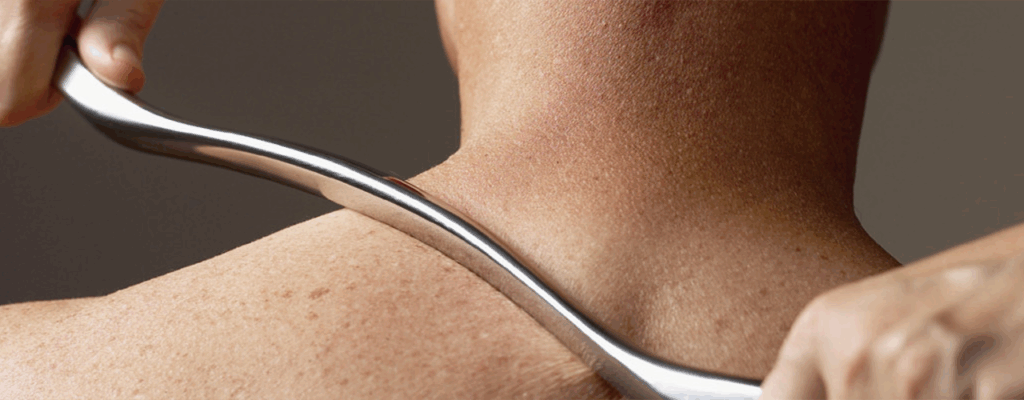
Do You Have Aches and Pains? The Graston Technique May Help
Long-term relief isn’t so far away.
The Graston method is a form of soft tissue mobilization assisted by instruments (IASTM). It is a form of manual therapy that includes special ergonomic stainless steel tools for gently massaging and scraping parts of the skin.
If you haven’t heard of it yet, know that you might benefit from the Graston technique! Numerous conditions, including lower back pain, carpal tunnel syndrome, rotator cuff tears, quadricep pain, tennis elbow, plantar fasciitis, and headaches, can be treated using the Graston Technique.
Are you suffering from a soft tissue injury? Do you have sports injuries, or have you been in an auto-accident that caused mobility issues? Do you have scars or attachments that cause pain and restrict your movement? If so, the Graston Technique may help you.
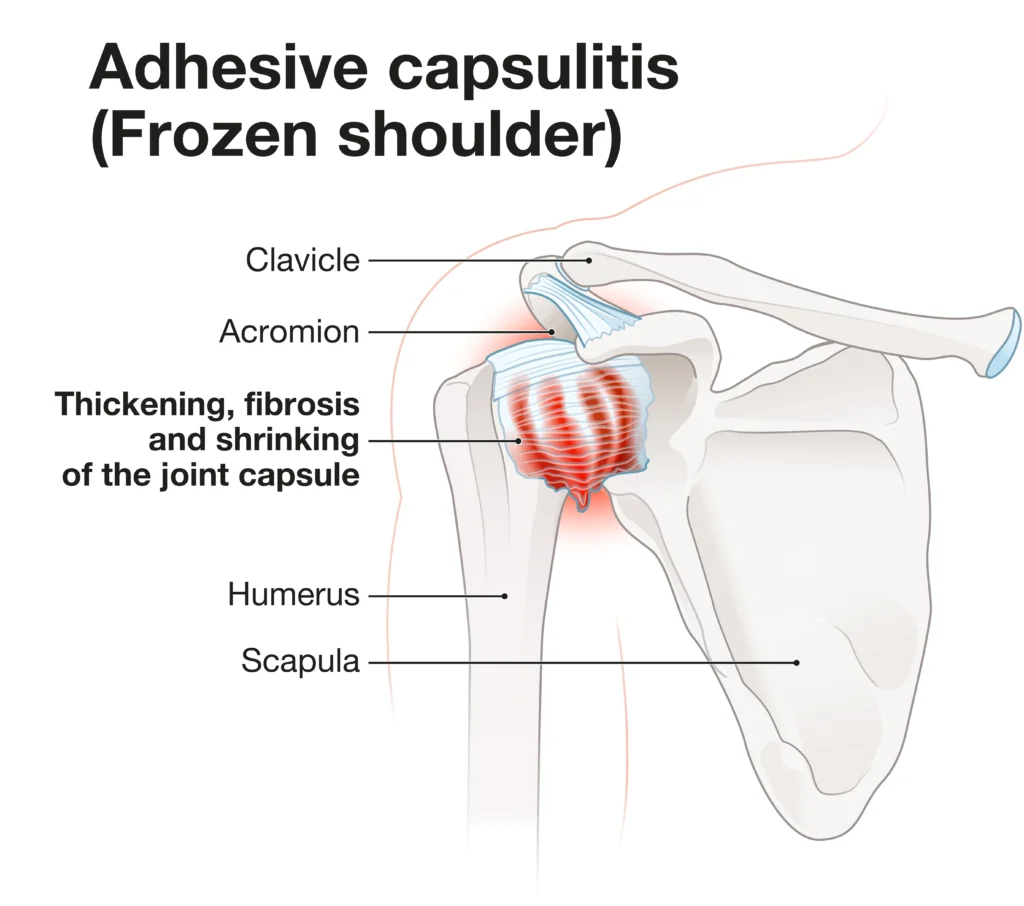
What Causes Frozen Shoulder?
The condition develops when the capsule of connective tissue that wraps around your shoulder thickens and tightens, restricting the joint. However, researchers aren’t entirely clear why this happens. Certain factors can increase your risk:
- Being a woman between the age of 40 and 60 years old
- Having certain diseases, including diabetes, thyroid conditions, or cardiovascular disease
- Immobilizing your shoulder after an injury or surgery.
“I’m a cardiothoracic ICU nurse who received physical therapy from SCV Therapy Services for back pain. I had an amazing experience from the ladies at the front desk to the physical therapists. Dean and Kyle were amazing, as were the other PTs I worked with. They were very helpful and professional. They taught me great exercises to keep and gave me a deep tissue massage for problem areas. I highly recommend getting physical therapy with this team!” – Google 5-Star Review

Understanding the Three Phases of Frozen Shoulder
One reason frozen shoulder recovery can take so long is that the condition progresses through three distinct phases, each with its own set of symptoms and concerns. Here’s what you need to know about each one:
Freezing Phase
This initial stage is marked by increasing pain and stiffness in the shoulder. During this phase, we focus on maintaining your shoulder’s range of motion to help reduce stiffness and improve comfort.
Duration
Anywhere from six weeks to nine months
Symptoms
- A gradual onset of pain that worsens with movement
- Increased stiffness in the shoulder
- Pain is often worse at night, disrupting sleep
Frozen Phase
The frozen stage involves less pain but greater stiffness, significantly restricting your shoulder’s movement. We’ll focus on improving your shoulder’s mobility using stretching or manual therapy techniques.
Duration
Anywhere from four to six months
Symptoms
- Decreased pain compared to the freezing stage
- Significant stiffness and difficulty moving the shoulder
- Everyday movements like reaching overhead or behind the back become challenging
Thawing Phase
In the final stage, your pain decreases, and your shoulder’s range of motion gradually returns. However, it’s important to continue physical therapy to ensure you make a full recovery.
Duration
Anywhere from six months to two years
Symptoms
- Gradual improvement in mobility as scar tissue around the shoulder capsule begins to loosen and break down
- Pain continues to decrease
Physical Therapy and Frozen Shoulder: What You Need to Know
Physical therapy plays an essential role in helping you manage frozen shoulder symptoms at all three stages. Our team will work with you to develop a comprehensive treatment program, pulling from a range of different techniques based on your current symptoms:
Acute Pain Management
- We’ll help you manage shoulder pain (especially in the freezing phase) with techniques such as dry needling, Kinesio taping, hot and cold therapy, and more.
Manual Therapy
- Various hands-on techniques can gently mobilize the shoulder joint, improve joint capsule movement, and reduce pain.
Mobility Exercises
- Targeted exercises and techniques help improve your shoulder’s range of motion in all directions, gradually restoring your ability to reach, lift, and rotate your arm.
Strengthening Exercises
- Strengthening the muscles surrounding the shoulder joint enhances stability and supports improved function.
Management Strategies
- Understanding frozen shoulder is an integral part of managing it. We’ll help you navigate the difficulties of the condition, including identifying which stage you’re in and providing you with home exercises to help alleviate your symptoms.
Sources: https://www.ncbi.nlm.nih.gov/pmc/articles/PMC7031440/
Ready to Break Free From the Icy Grip of Frozen Shoulder?
If you suspect you have frozen shoulder, schedule an appointment at SCV Therapy Services. Physical therapy is essential for managing the condition in all three phases, and the earlier you can begin treatment, the better your outcomes will be. Our team is here to help you manage pain, restore mobility, and understand your shoulder’s movement patterns.

Tips for A Safe and Healthy 4th
As we prepare for the 4th of July celebrations, here are key tips to ensure a joyful and healthy Independence Day:
- Healthy Grilling: Opt for healthier grilling choices. Lean meats, fish, and a variety of vegetables can make your barbecue both delicious and nutritious.
- Sun Safety: Apply sunscreen, wear protective clothing, and seek shade to prevent sunburn.
- Fireworks Caution: Set off fireworks in a clear, open space away from buildings, vehicles, and vegetation. Always keep a safe distance and remember to have a bucket of water, a garden hose, or a fire extinguisher nearby.
Enjoy the 4th while keeping your well-being at the forefront. We wish you a safe and happy Independence Day!
The Complexity of the Shoulder Joint
Did you know the shoulder is the most mobile joint in the human body? This unique ball-and-socket joint allows for an impressive range of motion so you can reach overhead, throw a baseball, or go for a swim.
Unfortunately, this incredible mobility comes at a cost: instability and a high likelihood of injury. But if you understand the complexity of your shoulder joint, you’ll be well on your way to protecting it from damage.
How the Shoulder Joint Works
The shoulder joins three bones together in two different joints. The head of your upper arm bone fits in the shallow socket of your shoulder blade, forming the main joint of your shoulder. Your collarbone then connects the shoulder blade to your rib cage, forming the second joint.
However, several soft tissues also play a role in shoulder function, helping to provide additional support and stability:
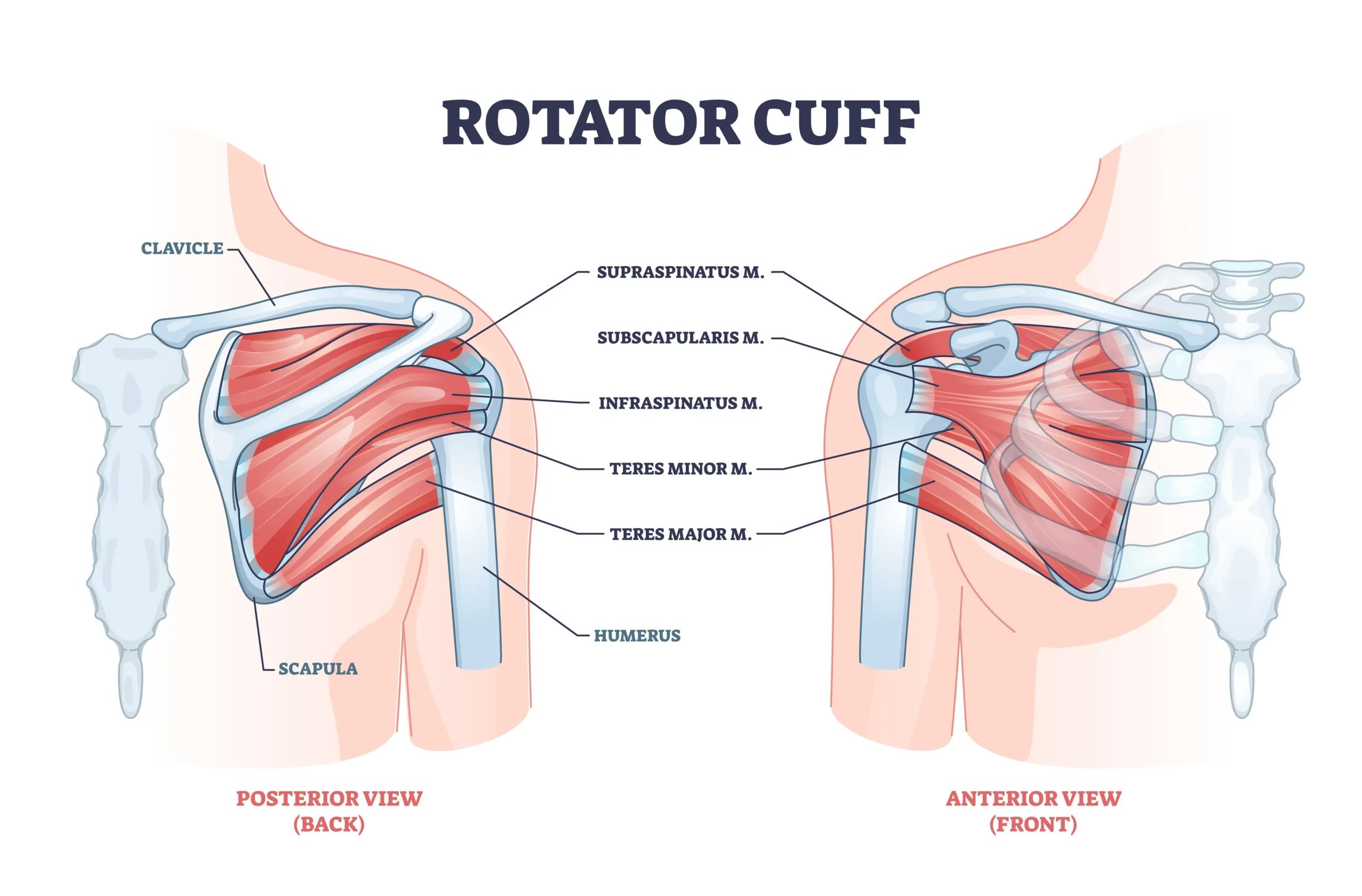
Rotator Cuff
- A group of muscles and their tendons that surround the shoulder joint, providing stability and controlling movement
Labrum
- A ring of cartilage that protects the shoulder socket
Ligaments
- Bands of connective tissue that connect bones and provide support.
Additional Muscles
- In addition to your rotator cuff, numerous chest and upper back muscles contribute to shoulder movement and stability.
Understanding Shoulder Injuries
With all these moving parts, it’s no surprise that the shoulder is so vulnerable to injury! There are two main types of shoulder injuries you need to be aware of:
Acute Injuries
- These injuries happen suddenly, often due to a fall or direct blow to the shoulder. Examples include fractures, dislocations, or labral tears.
Overuse Injuries
- Overuse injuries develop due to repetitive overhead motions that strain the tissues in the shoulder, particularly the rotator cuff. They’re particularly common in sports like swimming, baseball, or weightlifting.
That said, not all shoulder injuries develop due to injuries. Degenerative changes in the shoulder joint, including age-related wear and tear or underlying conditions like arthritis, can cause the protective cartilage to break down, leading to pain and restricted mobility.
Dealing with Shoulder Pain? We Can Help
Regardless of the reason for your shoulder discomfort, the team at SCV Therapy Services can help you find lasting relief. Our physical therapists have the knowledge and expertise to treat a range of shoulder injuries, help you rehabilitate after shoulder surgery, or teach you how to effectively manage degenerative conditions.
Schedule an appointment with us today to get started!

No-Bake Caramel Brownies Recipe (Gluten-Free, Vegan)
- Brownies
- 1 ½ c pitted medjool dates
- 1 c walnuts
- ½ c hazelnuts
- ⅓ c cocoa powder
- Salted Caramel
- ½ c almond butter
- ¼ c maple syrup
- 1 tablespoon almond milk
- 1 tablespoon coconut oil
- ¼ teaspoon sea salt
Brownie: Combine all ingredients in a food processor until it reaches a brownie consistency. Press down into lined loaf pan.
Salted Caramel: Stir together all ingredients until smooth and pour over top of brownie layer. Place in the freezer to firm (about 1hr.)
Once set, sprinkle with flaky sea salt, slice into 10-12 squares and enjoy! Best stored in the freezer.