

Spring into Relief: Exploring Shockwave Therapy for Pain Management
Spring is a season of renewal. Winter shifts into summer, flowers bloom, and more and more people start spending time outdoors. So, if you’re someone who struggles with chronic pain or a nagging injury, take advantage of this season of renewal with shockwave therapy at SCV Therapy Services!
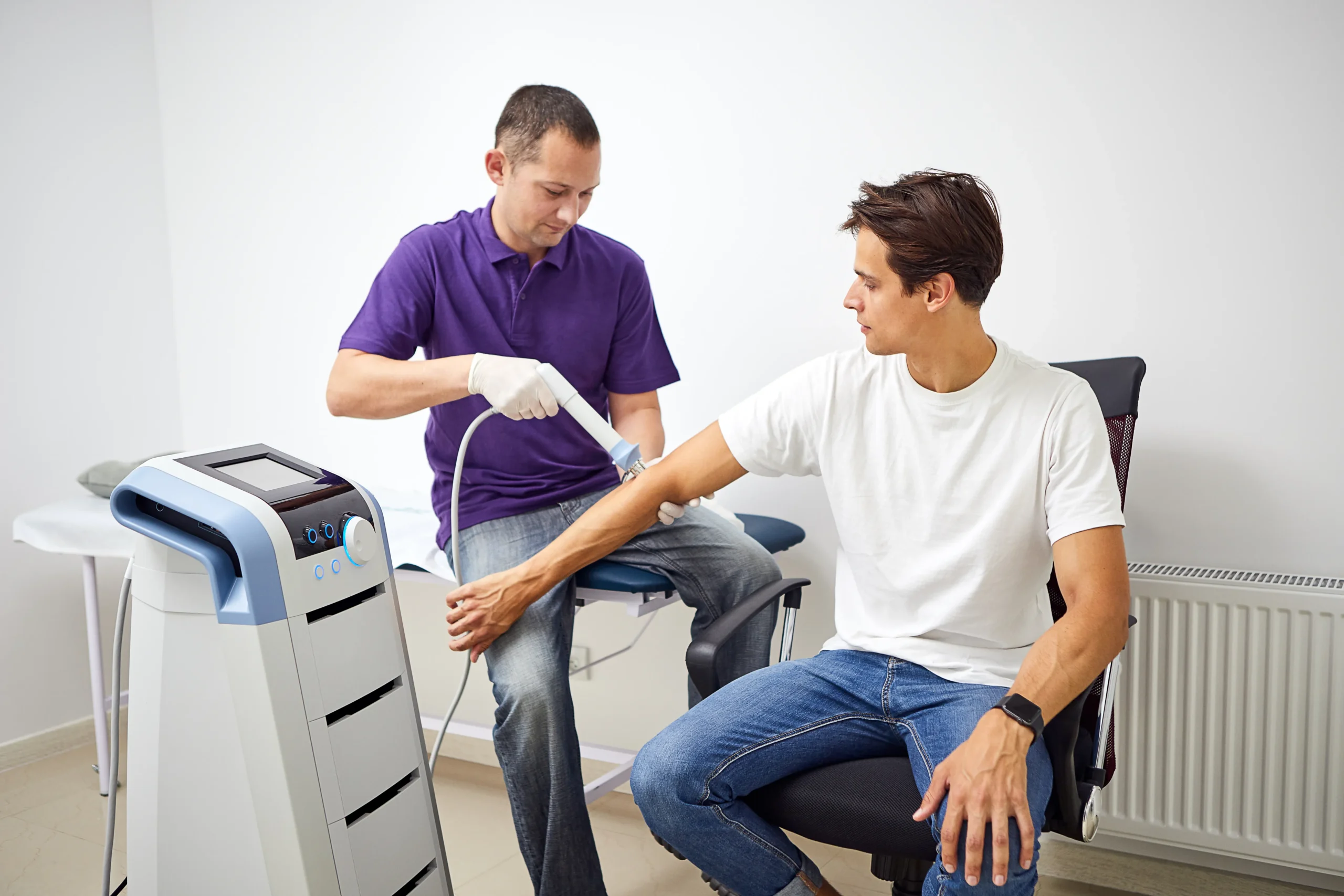
Shockwave therapy is an effective, non-invasive treatment option that uses high-energy acoustic waves to support your body’s natural healing processes. However, we’ve found that many people have misconceptions about shockwave therapy, which is why we want to explore the facts, debunk the myths, and discuss how shockwave therapy can help you feel better this season.
Facts and Fictions About Shockwave Therapy
Myth #1: Shockwave therapy is painful.
Fact: Mild discomfort is possible, but most people can tolerate it.
One of the biggest misconceptions about shockwave therapy is that it causes significant pain. While it’s true that some individuals may feel a tingling or tapping sensation during the procedure, they’re usually mild. Our PTs can also modify the treatment settings to make your therapy more comfortable.
Furthermore, most sessions last only 5 to 10 minutes, and any mild soreness afterward is temporary—similar to post-exercise muscle fatigue.
Myth #2: Shockwave therapy is only for athletes.
Fact: It benefits anyone with chronic pain, tendon injuries, or slow-healing soft tissue damage.
While professional athletes use shockwave therapy to help with recovery, it’s just as effective for individuals with everyday injuries and chronic conditions like the following:

Plantar Fasciitis
- Damage to the tissue at the bottom of the foot
Tendon Injuries
- For example, Achilles tendinitis, rotator cuff issues, and tennis elbow
Joint Pain
- For example, knee, hip, and shoulder discomfort from arthritis or overuse
Chronic Pain
- Long-term pain that doesn’t always have a clear underlying cause
Myth #3: It takes months to see results.
Fact: Many people notice improvement within a few sessions.
Some assume that shockwave therapy provides only long-term benefits with no immediate relief. However, many patients report reduced pain and improved mobility within the first few treatments and ongoing improvements as their body’s healing response is activated.
Also, consider that a typical treatment plan consists of one to two sessions per week for three to six weeks, with no required downtime–you can return to normal activities the same day.
Myth #4: Shockwave therapy replaces physical therapy.
Fact: It works best when combined with a structured rehabilitation plan.
Shockwave therapy is a powerful tool, but it’s most effective when used alongside other treatments. Our team incorporates shockwave therapy into a comprehensive program tailored to meet your specific needs. For example, we might utilize shockwave therapy in addition to the following techniques:
- Manual therapy, which can work alongside shockwave therapy to improve your overall function
- Therapeutic exercises chosen to enhance your strength and mobility
- Personalized adjustments to your posture or movement patterns to help you avoid strain
Myth #5: It’s only for severe cases.
Fact: Shockwave therapy is useful for both mild and persistent pain.
If you think shockwave therapy is only for people with severe, long-term conditions, think again! In reality, it’s an excellent treatment for a wide range of pain levels. Whether dealing with a recent injury or chronic discomfort, shockwave therapy supports tissue healing and speeds up recovery. And unlike medication or surgery, it’s non-invasive, with minimal side effects and recovery time.
Myth #6: Shockwave therapy is not backed by science.
Fact: Research supports its effectiveness in pain management and healing.
This is probably the most important myth for us to debunk. Shockwave therapy is cutting-edge, but it’s also been extensively studied and is widely used in physical therapy and sports medicine clinics. Research has shown that it:
- Increases blood flow, which brings oxygen and nutrients to damaged tissue
- Breaks down calcifications, the hardened areas in the body that contribute to stiffness
- Reduces inflammation, which lowers swelling and relieves pain
- Stimulate collagen production, the building block of healthy tissues
Sources: https://pmc.ncbi.nlm.nih.gov/articles/PMC9321712, https://journals.lww.com/acsm-csmr/fulltext/2021/06000/Extracorporeal_Shockwave_Therapy_in_the_Management.5.aspx
Our Patients Get Great Results!
“I’ve been coming to Santa Clarita Therapy Services for a few months now for lower back pain, my first-ever PT experience. The help I’ve received is tremendous! My therapist has helped me immensely. He knows not only what to do to relieve pain but does it in a positive, helpful caring manner. I actually look very forward to coming to sessions! Kudos to the women at the appointment desk who are helpful, friendly, and will call to remind you of your next day’s appointment.” – Google 5-Star Review
Spring Forward with Lasting Relief
Don’t let pain keep you from enjoying the beauty of the season. If you’ve been searching for an effective, non-invasive treatment approach, shockwave therapy might be the solution you need.
Want to learn more? Schedule an appointment at SCV Therapy Services to learn if shockwave therapy is right for you!

Get Outdoors and Have Some Fun
With the warmer weather and longer days, getting outdoors is perfect for enjoying recreational activities. Here are some great ways to integrate outdoor activities into your weekly regimen:
- Pickleball for Agility: This fun and social sport improves balance and coordination. It’s low-impact, making it suitable for all ages and fitness levels.
- Golf for Mobility: Golfing is a great way to enhance mobility, especially in the hips and torso. It’s also a good walk, offering cardiovascular benefits.
- Walking for Endurance: Regular walks can significantly boost cardiovascular health and lower body strength, whether in a park or around your neighborhood.
Always listen to your body and consult your SCV Therapy Services team to tailor these activities to your needs!
April is your opportunity to get outside, enjoy the sunshine, and take a step towards better health!
Step Into Spring: How to Keep Your Joints Healthy This Season
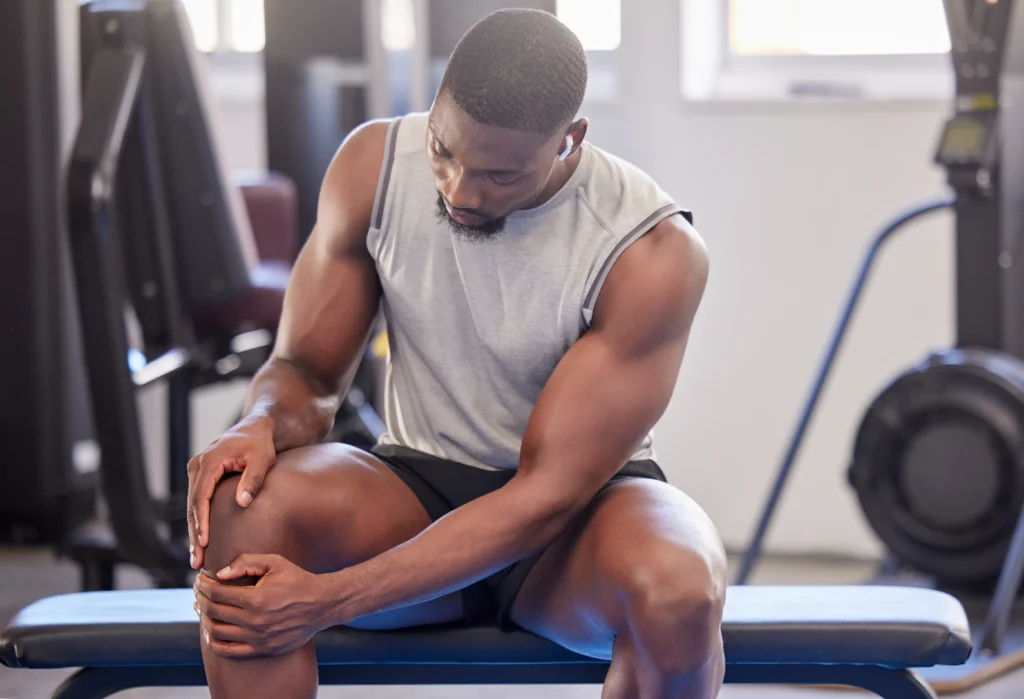
If you’re living with joint pain, keeping your joints healthy is essential for enjoying the season–and one of the easiest ways to do that is by staying active. We know that can be intimidating when you’re struggling with discomfort, but the SCV Therapy Services team is here to help with three simple tips.
1. Opt for Low-Impact Exercises
- Low-impact activities allow you to keep your joints moving without putting too much stress on them. Walking, cycling, and swimming are all good choices, but if you’re struggling to find an activity that works for you, give us a call! We can help.
2. Strengthen the Muscles Around Your Joints
- Weak muscles put extra pressure on joints, which increases pain and injury risk. Our PTs will create a personalized exercise program suited to your needs. For example, if you have knee pain, we can show you resistance exercises targeting your quads and hamstrings, which support the knees. We might also guide you through balance training to prevent falls.
3. Protect Your Joints with Proper Movement
- As you start to get more active, it’s important that you use proper form and keep your body in alignment. Repetitive stress and poor body mechanics can wear down cartilage over time, worsening stiffness and pain. You might also benefit from simple modifications (such as using a knee pad while gardening) to further protect your joints.
If joint pain is limiting your activities, our physical therapists can create a plan tailored to your needs. Contact us today to get started.

Cherry-Berry Oatmeal Smoothies
- 1/2 cup quick-cooking rolled oats
- ½ cup light almond milk
- ¾ cup fresh strawberries
- ½ cup fresh dark sweet cherries
- 1-2 tbsp almond butter
- 1 tbsp honey
- ½ cup small ice cubes
In a medium bowl, combine water and oats. Microwave 1 minute. Stir in ¼ cup of the milk. Microwave 30 to 50 seconds more or until oats are very tender. Cool 5 minutes. In a blender combine oat mixture, the remaining ¼ cup milk, and the next four ingredients (through honey). Cover and blend until smooth, scraping container as needed. Add ice cubes; cover and blend until smooth. If desired, top each serving with additional fruit.